Eating for Health: A Guide to Anti-Inflammatory Foods
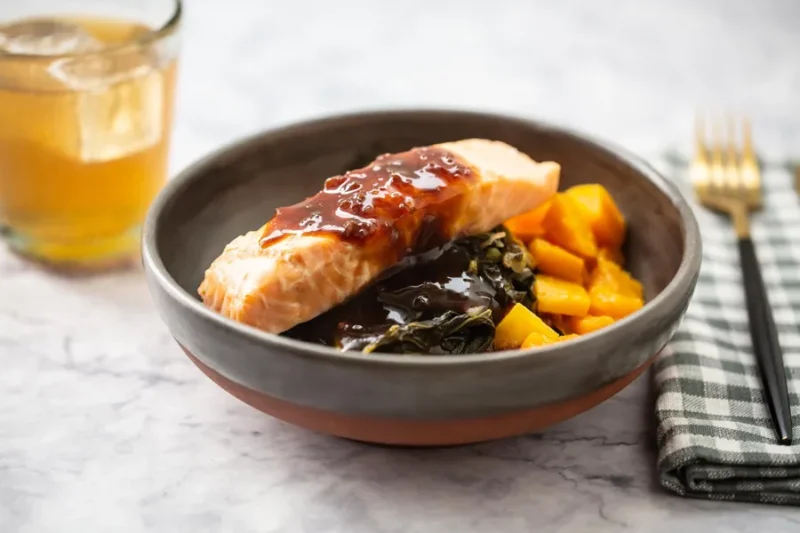
Inflammation is one of the biggest buzzwords in health and for good reason. It plays a role in many chronic diseases, but it’s not always a bad thing. Here’s what you need to know, and how the food on your plate can make a real difference.
What Is Inflammation?
The Good: Acute Inflammation
Think of the swelling around a sprained ankle or the redness of a mosquito bite. That’s your immune system doing exactly what it’s supposed to do. Acute inflammation increases blood flow and delivers oxygen, nutrients, and immune cells to sites of injury or infection. Short-term inflammation is a healthy, protective response.
The Not-So-Good: Chronic Inflammation
When inflammation becomes persistent, it can silently damage the body over time. Chronic inflammation has been linked to serious conditions including heart disease, diabetes, arthritis, Alzheimer’s, kidney disease, inflammatory bowel disease, and depression. Over time, it may also contribute to autoimmune issues and accelerated aging.
What Contributes to Chronic Inflammation?
Several lifestyle factors can drive ongoing inflammation in the body, including:
- Highly processed foods and chemical additives
- Environmental toxins and pollutants
- Smoking and excess alcohol
- Chronic stress
- Lack of physical activity
Why It’s Hard to Spot
Chronic inflammation often has no obvious symptoms, which is part of what makes it so tricky. If you’re curious about your own levels, C-reactive protein (CRP) is a common blood marker that can be tested during a routine wellness visit.
What Can Be Done About It?
The encouraging news: chronic inflammation is not inevitable. Many of the contributing factors, especially diet and lifestyle, are within your control. It starts with your grocery list. Choosing whole-food, nutrient-dense meals can help support a balanced inflammatory response. Beyond food, regular exercise, better sleep, limited alcohol intake, quitting smoking, and stress management all play meaningful roles.
What Makes a Food “Anti-Inflammatory”?
Many foods help the body fight inflammation. Foods rich in antioxidants, polyphenols (protective compounds found in plants), omega-3 fatty acids, fiber, and pre- and probiotics can all help protect the body from chronic inflammation.
If tracking all of that sounds overwhelming, here’s a helpful shortcut from our dietitian: the bolder and more vibrant a food is in color, scent, and flavor, the stronger its anti-inflammatory properties tend to be.
Look for:
- Aromatic alliums like garlic, leeks, onions, and scallions
- Bitter cruciferous vegetables like kale, Brussels sprouts, cauliflower, and bok choy
- Fragrant herbs and spices like oregano, thyme, basil, mint, cilantro, parsley, ginger, cinnamon, turmeric, and cumin
- Bright, colorful fruits like blueberries, raspberries, pomegranates, and cherries — plus beets
- Spicy, peppery foods like jalapeño, radish, and arugula
One of the most well-researched eating patterns centered on anti-inflammatory foods is the Mediterranean diet, which emphasizes fruits, vegetables, whole grains, lean proteins, fish, nuts, and healthy fats.
We’ve developed meals that are built with this philosophy in mind. Every dish is packed with ingredients chosen for both their flavor and their inflammation-fighting properties, so you can feel good about what you’re eating without sacrificing satisfaction.
Do You Need to Change Everything at Once?
No, nutrition and health are not all-or-nothing practices. The idea of “starting a diet” can feel so daunting that it stops people from making any positive changes at all. Traditional “diets” don’t bring us health or happiness because they’re typically too restrictive to stick to long-term.
The great thing about the Mediterranean approach is that it isn’t a diet in the traditional sense. There’s room for everything on your plate. It’s about what you eat most of the time, not the treats you enjoy once in a while. A Saturday morning chocolate croissant? There’s absolutely room for that.
A simple place to start: try small swaps. Reach for whole grain bread instead of white. Scramble your eggs in olive oil instead of butter. Over time, these small choices become habits, and habits become a lifestyle.
Good nutrition is really about finding balance, and joy.
Now Available: Anti-Inflammatory Premade Meals
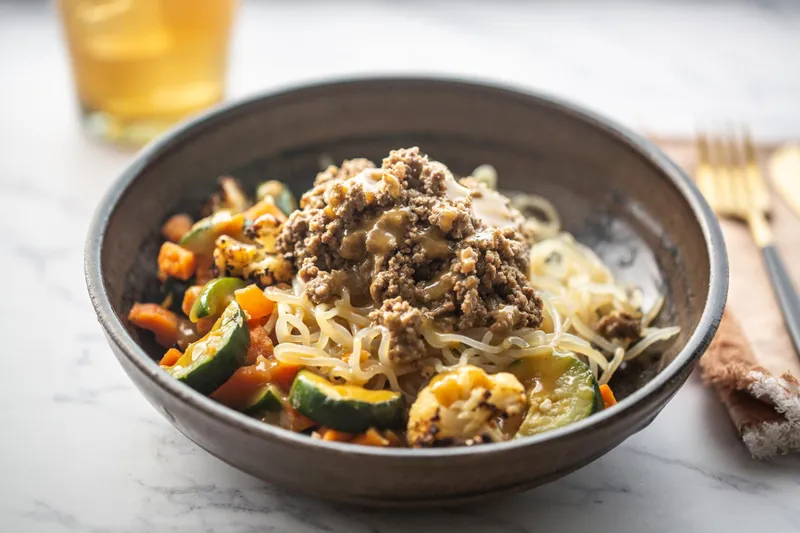
Our new anti-inflammatory Prepared & Ready meals are hitting the menu starting March 29th!
This Ginger Citrus Beef Noodle Bowl supports your health goals with nutritious ground beef and a medley of stir-fry vegetables, served over a bed of chewy sweet potato glass noodles in a sweet and tangy ginger-citrus sauce.