A Well-Seasoned Plate
For a great meal, quality produce and proteins are only the starting points; the ability to season ingredients well is what separates amateur cooks from the pros. Acids like fresh citrus and vinegar are one of a cook’s primary seasoning tools. Like salt, acid reduces the perception of bitter flavor compounds while elevating the other flavors components of the meal.
A kind of culinary double-agent, lemons operate as both a flavor all their own—and a flavor-enhancer. They’re best loved for their fresh taste and as the base for classics such as lemonade, lemon bars, and lemon meringue pie. And they have more to offer. Lemons are second only to salt in their ability to bring the flavors of other ingredients into sharper focus.
That’s why, more often than not, you’ll find a lemon in your Sun Basket. We use lemon juice in vinaigrettes and sauces, and we’ll often recommend that you simply squeeze a wedge over a dish just before serving for a bright blast of flavor. Acids can cut through fat and can save a dish with cream or yogurt from being too rich.
But the juice is only half the story. To ignore the zest is to disregard one of the most important parts of the fruit. Full of volatile oils, loaded with clean, sharp citrus flavor, the zest is a seasoning superpower.
A few key zesting (and juicing) points to keep in mind:
• Because the volatile oils are at their most intense right after zesting, try to zest your lemons just before using.
• Always zest before juicing, because trying to zest an empty lemon peel is, well,… just don’t.
• Be careful to strip only the thin yellow skin from the fruit. The white pith that lies just beneath is usually unpleasantly bitter.
• A rasp grater, such as a Microplane, is the best tool for zesting. If you don’t have one, carefully remove the zest with a vegetable peeler and then finely chop it.
• Roll the lemon on the counter, pressing with the palm of your hand, before juicing. This helps break down the fruit and releases more of the juice.
30 Days of Sun Basket—week 1
Kira and Brandon want to start their new year with a renewed focus on clean eating and cooking together. We’re following them for 4 weeks as they cook and eat Sun Basket meals. Watch what happens.
We’ve Got the Beet—
When it comes to getting color on your plate, beets are hard to beat. The brilliantly hued roots come in a range of tints—red, pink, yellow, even stripes. All that intense color is more than just good looks. Research shows that the pigments in beets are potent antioxidants. The betacyanin that gives red beets their color could protect against development of cancerous cells and might play a role in reducing the inflammation associated with heart disease. Golden beets provide lutein, a healthful antioxidant that may help slow the development of age-related macular degeneration (AMD), a cause of blindness, and seems to aid in blocking early stages of cancer. Expectant mothers take note: beets contain folic acid, which supports a baby’s developing brain, and just a half cup of cooked beets provides 17% of the recommended daily folate intake.
Eat your (beet) greens
The leafy green beet tops are both delicious and loaded with good stuff like calcium, vitamin K, vitamin A, phosphorus, zinc, fiber, vitamin B6, magnesium, potassium, copper, and manganese. Instead of tossing them, strip the green leaves from their stems. Chop the leaves, and saute them in olive oil with crushed garlic and sea salt. Season with lemon juice or vinegar.
Like most root vegetables, beets are incredibly versatile and can be used to make soups (hello, borscht), salads, side-dishes, and yes, even desserts (hint: beets are a great match for chocolate.) This week, we’ve got one of our favorite-ever beet recipes on the menu, Chicken with Rosemary-Roasted Beets and Oranges. The combination of rosemary and oranges, roasted with beets, is an eye-opener, to be sure.
The Color of Flavor
In all the talk about healthy eating, flavor rarely gets its due, but there’s no point in preparing a meal that no one wants to eat. Great taste should be the end goal every time you enter the kitchen.
One way to make any food taste its best is to give it a good crust. Whether you’re making toast, grilling a steak, or roasting a head of cauliflower, brown is the color of flavor.
A good sear delivers more than just browning, it also produces aromatic compounds that add complexity and depth of flavor not found in raw ingredients. It’s called the Maillard reaction, named for Louis Camille Maillard, the French scientist who first described the process. It happens when both sugars and proteins are heated to the point that they begin to darken. But the best part of the Maillard reaction isn’t the color, it’s the flavors and aromas that the color gives to food.
The Maillard reaction gives foods that have been grilled or roasted a distinct flavor that differs from what you taste when you boil, poach, or steam the same ingredient. It’s the reason why slowly browning caramelized onions fill your home with their sweet scent more than when they’re quickly sautéed and why a grilled burger is better than one cooked on the flat top.
One of the main challenges of browning is to get the surface of the food hot and dry enough to color without overcooking. Our trick is to pat the meat dry before it hits the pan—and you will notice we include that instruction in our weekly Sun Basket recipes. Removing any excess moisture helps the color develop more quickly. High temperatures help too, but only up to a point. Burning is a very real risk when trying to get a good sear on your food. While a little bit of char can be a good thing, blackened food can quickly turn bitter, so keep an eye on whatever you’re browning and don’t overdo it.
Feeding America—a Sun Basket Thank You
This holiday season, Sun Basket partnered with Feeding America, the nation’s largest domestic hunger-relief organization. Sun Basket customers, depending on location, donated 590 boxes to the Feeding America program, benefitting the Second Harvest Food Bank in Santa Clara, California and Beacon of Hope in Mt. Holly, New Jersey. These meals provided healthy food to some of the 42 million Americans facing hunger today.
The Seven Things You Must Do To Maintain a Healthy Weight
Getting to a weight that’s right for you and staying there is key to your overall health and can help prevent many diseases. Maintaining a comfortable weight is not about dieting, it’s about adopting habits that will keep you on a path to lifelong wellness. Our Lean & Clean meal plan makes it easy to eat well. Here are a few other habits that can keep you on track for a healthier life.
1. Eat Real Food
Whole foods typically have fewer calories, sodium, fat, and sugar than their processed counterparts and more fiber and nutrition. Read the labels. When it comes to ingredients, less is more. If you see one you can’t pronounce, or if it sounds like it belongs in a chemistry class, take a pass.
2. Cook It Yourself
Home cooked meals are almost always healthier than food prepared in restaurants. If you feel uncertain of your cooking skills, meal kits like Sun Basket can help increase your confidence. Get your family involved in the process. Research shows that kids are more likely to eat the meals that they cook.
3. Hang Up and Eat
Computers, phones, and televisions make poor dining companions. Research has shown that people who dine in the company of their electronic devices are worse at remembering what they have eaten, and feel significantly hungrier afterward, compared to those who eat without distraction. Unplug and enjoy your meals with a human companion.
4. Make a Beverage Swap
Watch what you drink. Beverages can quickly add unwanted calories with little nutrition. Skip the sodas and try seltzer with a squeeze of citrus or infused with fresh fruit instead. Lemon iced tea makes a great substitute to sugar-laden lemonade. Instead of a blended coffee drink, drink iced coffee with coconut or almond milk flavored with cinnamon or vanilla.
5. Start the Day Right
A healthy breakfast can get your day going on the right nutritional note. Skipping meals saves calories in the short term, but can backfire when late morning hunger spurs you to take in even more calories. It can also result in fatigue, mental fogginess, and slow metabolism.
6. Get Moving
Exercise is just as essential for weight maintenance and good health as nutrition. Get outside and do something active. Go for a bike ride, play flag football, take the stairs, or just go for walk. Studies have found that people who exercise with others are more likely to stick to it for the long term. Check out our Bite-Size Workouts if you need some inspiration.
7. Don’t Cheat Sleep
A study in the American Journal of Clinical Nutrition found that sleep-deprived subjects tended to do more late-night snacking and were more likely to choose high-carb snacks. They also found that sleeping too little prompts people to eat bigger portions of food, which can lead to weight gain. To make sure you’re getting adequate sleep, keep digital devices out of your bedroom and read a book instead. Also, make sure your environment is conducive to sleep. A dark, cool, and quiet room is ideal.
Feed your Head
Your brain needs food just as much as your body does. A full-functioning mind depends on a diet rich in antioxidants, fiber, and Omega-3 fats. Eat some of these smart foods every day to keep your thinking sharp, because the road to clear thinking is paved with clean ingredients.

B6, B12 and folic acid
These B vitamins are associated with improvements in cognition and memory and may also reduce the risk of stroke and dementia. You’ll find them in dark, leafy greens, fish, meat, and poultry.
Vitamin C
Want to be happier, smarter, and remember more of what you learn? Load up on strawberries, kale, kiwi, and cauliflower. These vitamin C-rich foods may be the key to a higher functioning brain. This vital antioxidant supports the neurotransmitters that impact the ability to focus and remember. It also protects against age-related brain degeneration.
Lycopene
If you’ve ever admired the pink blush of an apricot or the deep vermillon hue of a watermelon, it’s thanks to the cartenoid known as lycopene. It provides protection againist many of neuro-degenerative incidences and diseases such as strokes, Alzheimer’s, and Parkinson’s disease. Pink grapefruit, papaya, and cooked tomatoes are all excellent sources of this anti-aging antioxidant.
Zinc
A key mineral for cognitive function, zinc provides an energy boost, helps prevent depression, and protects the brain against many of the negative effects of getting older. Head to the oyster bar if you’re looking for a good dose of zinc. Those briny bivalves have more of that mighty mineral than any other food. You’ll also find it in red meat, beans, nuts, and chocolate.
Let’s Talk Detox
Nutritionists throw a lot of words around, but to tell you the truth, we’re not always sure what they mean or why they might be important. For instance, detox. Diets that promise to rid our bodies of so-called toxins are popular. While expensive juice-based diets can be very effective at flushing out your bank account, there’s little science-based evidence to suggest that these regimens offer much in the way of health benefits.
To be sure, toxins exist. Things like pesticides, lead, excess amounts of alcohol, and medications can take their toll, but our bodies are well designed to rid themselves of these with their own in-house detox system—otherwise known as your liver and kidneys.
The liver separates nutrients from waste chemicals, converts amino acids into proteins to build lean muscle mass and enzymes, and produces bile, essential for digesting fatty foods. The kidneys work as a filtering system for your blood (120 to 150 quarts each day to produce about 2 quarts of urine) to keep its composition stable. Together, these organs keep toxins from building up in your body.
According to Sun Basket’s team of dietitians, a diet based solely on the notion of getting rid of toxins is not a good idea. Still there’s plenty of evidence that eating nutrient-rich whole foods, including ones that promote liver and kidney function, can do us all a world of good.
What follows is a list of foods that support liver and kidney function and contain ample fiber to keep toxins from hanging around too long.
Alliums— (includes onions, leeks, garlic, and chives)
Artichokes
Avocados
Beets
Brassicas (includes cabbage, Brussels sprouts, broccoli, kale, turnips)
Cayenne
Celery
Cilantro
Citrus
Cranberries
Fennel
Watercress
Support your personal detox system with our Grilled pork with nectarine-watercress salad and Quinoa and black-bean tacos with cabbage slaw,
Cracking the coconut
If you’ve been to the supermarket lately, you may have noticed that coconut is having a moment. Evidence of the popularity of the hairy tropical fruit (not a nut) is in almost every aisle. You can now buy sugar, flour, butter, milk, vinegar, oil, and of course the ubiquitous water all made from coconut. Tip your hat to followers of the paleo diet, who have enthusiastically embraced coconut products as alternatives to dairy, soy, and grain, for the fruit’s rise to fame.
Coconuts have not always been so popular, especially with nutritionists. For a long time, health professionals were wary that coconut carried high levels of calories and saturated fats, but new research has spurred a closer look. We now are discovering that the high levels of medium-chain triglycerides in coconuts may raise good cholesterol (HDL), and that they convert to fuel more quickly than the long-chain triglycerides found in animal fats, a finding that points to coconut’s advantage as a weight-loss tool. Coconut sap, which is used for vinegar and to make the popular coconut aminos, is low glycemic food, 17 amino acids, and boasts a broad spectrum of B vitamins. It also has a high mineral content (thank the volcanic soil where coconut trees thrive).
Here at Sun Basket, we’ve stocked our larder with some our favorite coconut-based ingredients.
Coconut milk—If you’ve ever cracked open a coconut, you may have wondered what happened to the milk. Coconut milk, like coconut oil is actually made from the meat. It’s grated and heated until it liquefies, and adds a delicious, dairy-free creaminess to this week’s Masala Chickpea-Kale Curry with Red Rice.
Coconut flour—Made by finely grinding coconut meat, coconut flour is rich in fiber, a great source of protein, and may help maintain proper blood glucose levels in individuals with diabetes. It has a very fine texture and is highly absorbent, which makes it a terrific gluten-free binder for these Tomato-Braised Turkey Meatballs with Zucchini and Curried Cauliflower.
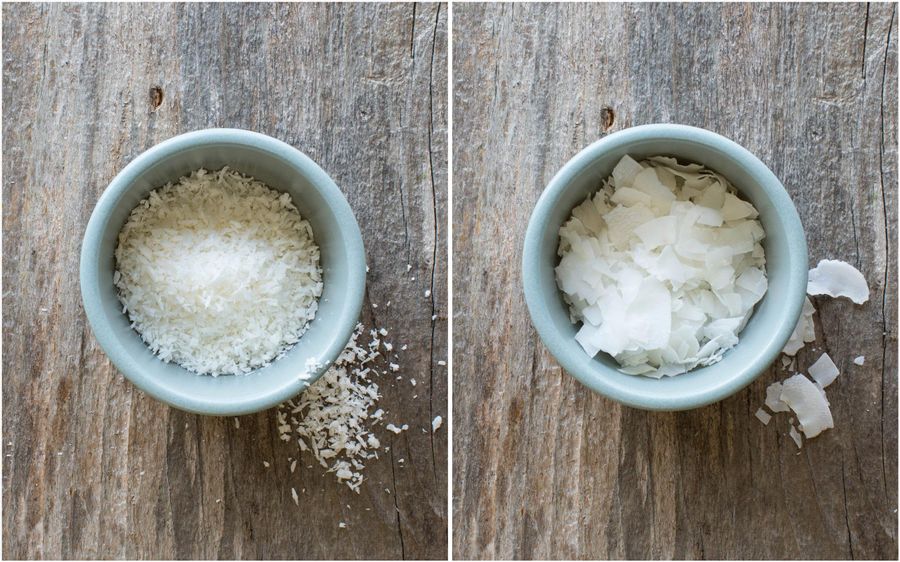
Coconut flakes—Unsweetened dried coconut, both shredded and shaved, is a favorite addition to smoothie bowls, soups, stir-fries, and curries. Toasting the flakes brings their nutty flavor to the forefront.
Coconut oil—This saturated fat (which means it’s solid at room temperature) is ideal for searing and sautéing. Coconut oil contains antioxidants and lauric acid, which has been shown to have antimicrobial properties and may reduce inflammation. We love the subtle coconut flavor the oil imparts to other foods
Coconut sugar—This less-refined sweetenter has a lower glycemic index thanks to inulin, a dietary fiber that helps slow glucose absorption. With a richer flavor than granulated sugar—think brown sugar—that hint of caramel adds depth and complexity that you won’t find in the white stuff, one of the reasons we think it makes a tastier quick-pickle brine for vegetables in our Banh Mi Chicken Salad.
Coconut aminos—Naturally gluten-free coconut aminos have the same rich umami flavor but far less sodium than soy sauce. They deliver a terrific Asian flavor to everything from salad dressings to marinades to dipping sauces and stir-fries.
Coconut vinegar—When the coconut sap is fermented it becomes coconut vinegar. It’s cold-processed, which means it’s full of healthy probiotics. The flavor is surprisingly complex with notes of maple, vanilla, and rum. We like to use it as a paleo-friendly substitute for rice vinegar.
Exercise Your Mind
While we all know that it’s wise to exercise, it’s also true that exercise makes you wise. Researchers have been studying how working out affects the brain, and they’ve found compelling evidence that strong bodies and sharp minds go hand-in-hand. Here are some of the mental benefits of working out:
1. A More Agile Mind
Researchers have found a positive correlation between aerobic exercise and cognitive flexibility.
2. A Bigger Brain
After the age of 30, human brains begin to lose volume, particularly in the hippocampus, the part of the brain associated with memory and learning. Research shows that physically active adults have a larger hippocampus than their more sedentary peers.
3. Better Memory
Adults who work out regularly show improvement in both short and long-term memory.
4. Faster Thinking
White matter in your brain insulates connections and makes them more efficient at relaying information. Studies suggest that aerobic exercise promotes better white matter integrity in both adults and kids and improves cognitive speed.
5. Increased Focus
Physically fit adults have a better ability to focus on tasks.
6. More Willpower
Self-control is another side-effect of regular exercise. Children and adults who are active have been found to have better command over their inhibitions.
Recent Comments