Shake Up Your Post-Workout Recovery with Our High-Protein Shakes
A good workout puts a lot of stress on your muscles, causing the fibers to break and tear. That’s a good thing, because when muscles heal they grow bigger and stronger. Protein can help repair the damage done to muscles during a workout, but more important than the amount of protein is the timing. Exercise doesn’t affect the amount of protein you need, only the time when it will be of the greatest benefit. You want to get your protein boost within two hours of your workout. Remember that your stores of energy are also depleted. The carbohydrates in these shakes deliver equally important fuel for your day, as well.
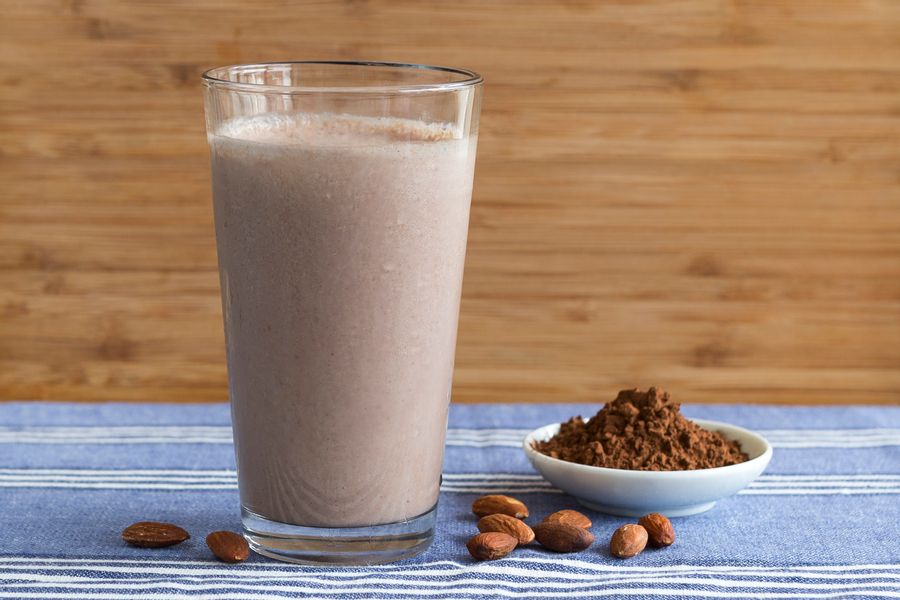
Mexican Chocolate Protein Shake—Get the Recipe!
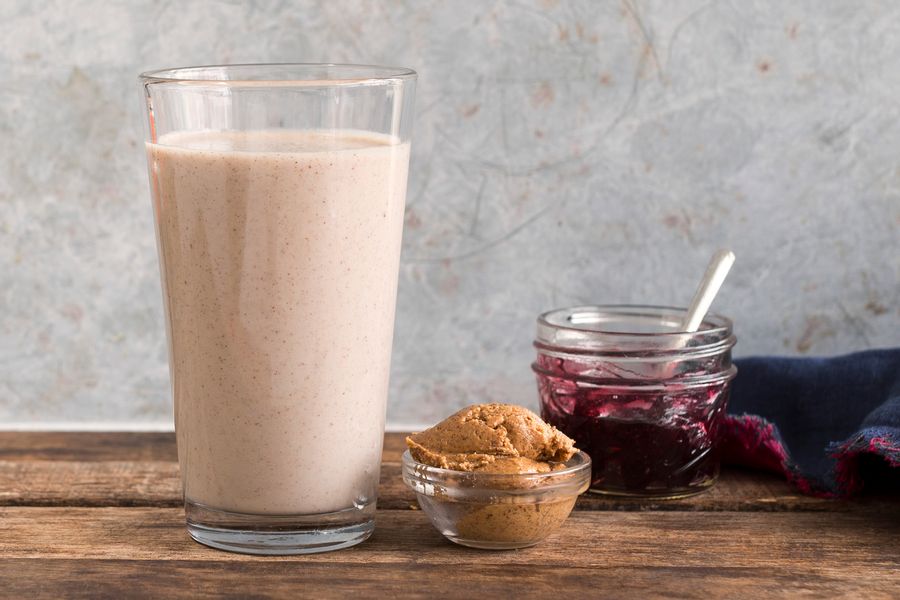
Almond Butter and Jelly Protein Shake—Get the Recipe!
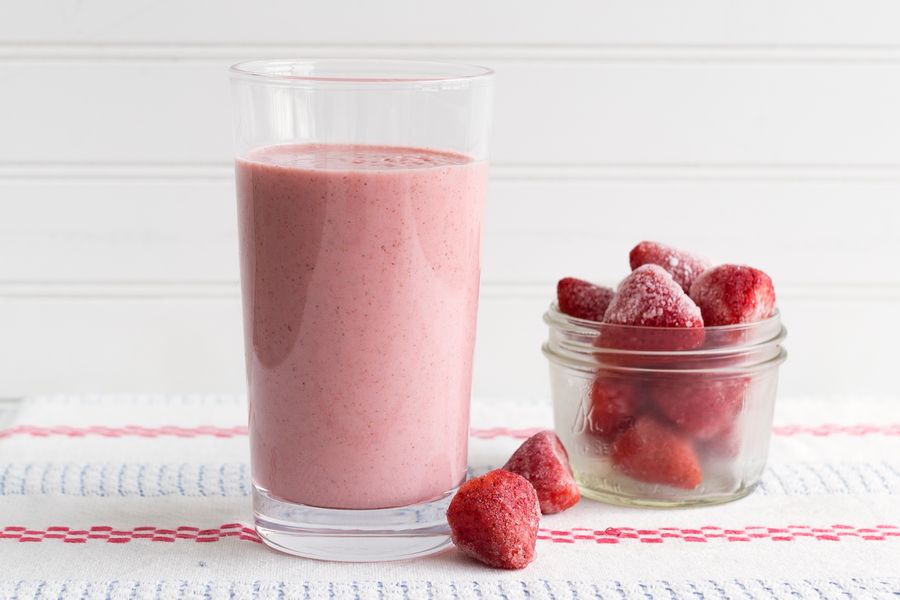
Strawberries and Cream Protein Shake—Get the Recipe!
Meet Lauren Asazawa—Coder, Climber
Meet Lauren Asazawa, Sun Basket Designer and Web Developer. Lauren’s problem-solving skills come into play whether she’s writing code for our website or searching for holds on a granite slab half way around the world.
Team Sun Basket Hits the Gym

Alicia Egan, Marketing Associate, Social Media
“I try to swim every morning before work. Getting into the pool at six a.m. always seems crazy, especially in the winter, but there’s something about swimming under the stars in a heated pool in the middle of February that reminds me that I’m alive.”

Matt Chavez, Videographer
“I try to make it to the gym at least five days a week for a mix of weight lifting and light cardio. I also like to ride my bike and get out for hikes on the weekends.”

Amy Endemann, Head of Marketing
“I’m a 7 a.m. yoga fiend. I either go to a nearby studio or practice via a streaming yoga video service in my living room. I like to get it done in the morning, because I know if I wait until after work it’s less likely to happen.”

Nicole Farray, Marketing Assistant
“I start my mornings with 100 squats, and after work I head to the gym. I love HIIT Max workouts and weight training, but right now I am really into dance classes, especially hip hop. If I know I can’t make it to the gym after work I’ll take a 20 minute walk at lunch. I do yoga on the weekends to keep myself centered after a long week.”

Elton Fong, Business Analyst
“I ride 10 miles on my bike everyday to and from Sun Basket HQ. Several nights a week, I hit the gym after work for weight training, stretching, and a few laps around the track.”

Koji Hamada, Data Analyst
“I’ll usually guilt myself pretty hard until I’m motivated to go for a workout. I run several races a year, full and half marathons and 50Ks. I’m currently focused on speed training and just running on the treadmill.”

Jan Newberry, Editorial Director
“I’m at the Y six mornings a week. I like to mix things up, so I do a cardio workout on Mondays and Wednesdays, weight training on Tuesdays and Thursdays, and a spin class every Friday and Sunday. On Saturday, I hike with my dog in the Oakland redwoods.”

Amanda Stowers, R&D Project Coordinator
“I’ve found that going to classes with friends helps with motivation. We mix it up with different classes from pilates, to kickboxing, to trampoline workout classes. Going to classes after work also encourages us to carpool.”
Make Your Own Natural Food Coloring
It’s easy to make gorgeous Easter eggs with natural food coloring. For a fun trick, try gently cracking the shells of the hard-cooked eggs (try our technique) before steeping in the colorful dye to create a marbled effect. Using natural food coloring means the colored eggs are safe to eat.
Natural Food Coloring Recipe
Makes about ½ cup food coloring per color
Purple = 3 beets
Green = 1 bunch spinach
Orange= 3 carrots
Blue = ½ red cabbage + 1 tablespoon baking soda
Yellow = 1 tablespoon ground turmeric
Red = 1 tablespoon dried paprika
Brown = 3 bags black tea
Tools
Large saucepans, masher or blender, strainer
Vegetable-based food coloring
Roughly chop the vegetable. In a small saucepan over medium-high heat, cover the chopped vegetable with 2 cups of water. Bring to a boil, reduce to a simmer, and let cook until the water is the desired shade, 25 to 30 minutes.
For the red cabbage: to turn it blue, add 1 tablespoon baking soda.
Let cool. Using a masher or blender, puree the vegetables with their cooking water. Strain and transfer to a clean glass jar.
Spice-based food coloring
In a small saucepan over medium heat, combine the turmeric or paprika with ½ cup water. Bring to a simmer. Remove from heat and let cool. Transfer to a clean glass jar, no need to strain.
Tea-based food coloring
In a glass measuring cup or heatproof container, cover the tea bags with ½ cup boiling water. Let cool. Discard the tea bags and transfer the tea to a clean jar.
When mixed into frostings, natural food coloring will make lovely pastel color rather than vibrant, neon hues.
Store, tightly sealed, in the fridge and use within 1-2 weeks or freeze in ice cube trays and transfer to a zip freezer bag for longer storage. Thaw cubes before using.
Try our technique for boiling eggs here.

The Lava Lamp Lab
An icon of 1960s design, lava lamps were once the ultimate in grooviness. The slow-moving blobs of luridly colored light mesmerized a generation and illuminated countless dorm rooms. The very first lava lamp was made by a British accountant, who used an empty soda bottle filled with insoluble liquids and a light blub. You can make your own using an empty jar.
How to Make a Lava Lamp
Materials
Clear jar or bottle with a tight-fitting lid
Water
Vegetable oil
Salt
Glitter
Flashlight
1. Assemble the lava lamp
Fill the jar three-quarters full with water and one-quarter vegetable oil. Because oil weighs less than water, it floats on top, forming a thin layer of bubbles. Add a few drops of food coloring.
2. Add salt
Sprinkle in some salt. It will sink to the bottom, dragging the oil bubbles down with it. As the salt dissolves, it releases the bubbles and they rise to the top again.
3. Shake things up
Add some glitter, seal the jar, and give it a good shake. Move it up and down, end over end, and from side to side. Just like the salt, the glitter sinks to the bottom and back to the top again. Unlike the sale, the glitter won’t dissolve, so you can enjoy your lava lamp for weeks.
4. Light your lava lamp
Shine a flashlight through the back or the bottom of the jar to light up the lava lamp. When the “lava” stops flowing, give the jar a shake to get things moving again.
The Science of Food Cravings
The impulse to reach for a chocolate bar every day at four or make your way to the bottom of an extra-large popcorn at the movie theater is not a simple one to understand. Food cravings start in the brain, unlike hunger, which begins in the belly, and are stimulated by things like stress, memory, and routine far more often than by the amount of time since your last meal. Hunger comes on gradually and can be easily satisfied. Cravings are sudden, specific, and more difficult to appease. The desire for fully loaded nachos can have the tenacity of an earworm, and the potential to do far more damage than an endless loop of Bohemian Raspodsy running through your head.
Just about everyone gets hit with cravings, though women experience them more often than men. High-fat sweets and salty foods are the objects of cravings more often than, say, kale salad. There’s a reason for that. Eating fatty, sugary foods causes our brains to produce endogenous opioid peptides, which trigger pleasure and even mild euphoria. Many highly processed snack foods (see the chip aisle of your local grocery) are carefully engineered to release those opioids and keep you reaching for just one more until you’ve surrounded in a sea of empty bags of ranch-flavored corn chips.
But just because cravings are complicated doesn’t mean that they can’t be managed. First, it’s important to remember that just because you crave something doesn’t mean it’s bad for you. Chocolate, one of the most common food cravings, can reduce your risk of heart disease. So go ahead and break off a piece of that bar you’ve been hoarding, just know when to stop.
Other cravings may need to be redirected. If you can identify specific qualities of the object of your desire, you may be able to find healthier, if equally satisfying, alternatives. For instance, fulfill a longing for ice cream with another cold and creamy treat like frozen yogurt or a fruit sorbet. When you’re desperate for something sweet, steer clear of the candy bowl, and reach for an apple or fresh berries instead.
Illlustration by ekstromdesign.com
Fabulous Falafel For the Win
Texture is key to any great falafel. They should be crisp on the surface, fluffy and tender in the middle, and never, ever dry. Our Falafel Pita Pockets with Lemon-Yogurt Sauce are loaded with mushrooms and scallions that keep the patties moist while giving them a wonderful flavor. But in order to get the texture just right, you must mash the ingredients by hand. Don’t use a food processor. We learned the hard way that it will liquify the mixture into a batter better suited to pancakes than falafel.
Here’s our test kitchen’s technique for their twist on this classic Middle Eastern dish.
Yes, You Can Reboot Your Eating Habits
Driven by a powerful chemical cocktail stimulated by emotions and the environment, cravings are a complex business, but you don’t have to be a victim. Here are a few ways to beat back the desire for unhealthy treats.
1. Change your surroundings. Cravings are often triggered by environmental factors. Sometimes, just going for a walk, or engaging in a task, especially visual ones, can help shift your focus.
2. Fill up on protein. Cravings and hunger are different things, but being full can take your mind off food. A protein rich breakfast may be effective in staving off mid-morning cravings.
3. Turn up the heat. Spicy foods activate dopamine, the same pleasure-emitting neurotransmitter that your cravings seek to set off, while turning off the hormone gherlin, which stimulates hunger and turns on GLP-1, the hormone that puts hunger to rest
4. Put your cravings on hold. Telling yourself that you can indulge later, kind of like saying that you’ll organize you’ll cupboards later, has been shown to be an effective way of never actually getting around to it.
5. Try aromatherapy. Some researchers say that certain scents, specifically jasmine and vanilla, can suppress cravings for sweets.
6. Cut yourself a break. Go ahead and eat the cake, have a brownie, or a dish of ice cream. Life is too short to give up all the temporal pleasures. Just don’t go overboard and don’t beat yourself up when you’re done.
Caving to your Cravings Doesn’t Have to be a Bad Thing
Lusciously rich, this no-bake dessert, developed by Sun Basket’s pastry chef, Paul Conte, is gluten free, contains no eggs or refined sugar, and if you skip the whipped cream, it even qualifies as vegan. Thank the avocado for the creamy, smooth texture, along with the mood-boosting fatty acids. So go ahead, grab a spoon, and think about all those heart-healthy omega-3 fats as you finish licking the bowl.
Chocolate-Avocado Pudding
Serves 2 to 4
Total time: 45 minutes
Cook time: 5 minutes
Prep time: 10 minutes + 30 minutes refrigeration
Ingredients
2 tablespoons shelled unsalted pistachios
1 large ripe avocado, preferably organic
½ vanilla bean, or ¼ teaspoon vanilla extract
1/3 cup fresh orange juice
¼ cup pure maple syrup
2 tablespoons agave
1/3 cup cocoa powder
¼ teaspoon chile powder, such as pasilla negro or guajillo, optional
½ cup heavy cream
2 teaspoons cacao nibs
1 ounce dark chocolate (between 60 and 70 percent cacao solids)
Cayenne pepper, optional
From your pantry
Kosher salt, sugar, optional
Tools
Peeler, whisk, optional, large bowl or stand mixer or electric hand mixer, blender, sheet pan
1. Toast the nuts
• Heat the oven to 350°F.
On a sheet pan, spread the pistachios in an even layer. Toast in the oven until lightly browned and fragrant, about 5 minutes. Transfer to a plate to cool.
While the pistachios toast, prepare the pudding.
2. Make the pudding
• Cut the avocado in half. Remove the pit, and scoop out the flesh.
If using, cut the vanilla bean in half lengthwise and scrape out the seeds; set aside the seeds for the pudding and reserve the bean for another use.
In a blender, combine the orange juice, maple syrup, agave, cocoa powder, avocado, vanilla seeds or extract, chile powder, if using, and 1/3 cup hot water. Season lightly with salt and blend until smooth.
Transfer the pudding to individual bowls and refrigerate until chilled, 30 to 40 minutes.
Shortly before you are ready to serve the pudding, whip the cream.
3. Make the whipped cream
In a large bowl with a whisk or electric hand mixer, or in the bowl of a standing mixer fitted with a whisk attachment on high speed, beat the heavy cream and ½ teaspoon sugar, if desired, until soft peaks form.
4. Serve
Remove the pudding from the refrigerator. Top with the whipped cream, cacao nibs, and pistachios. Using a peeler, shave chocolate curls over the cream, sprinkle with as much cayenne as you like, and serve.
Nutrition per serving:
Calories: 360, Protein: 5g, Total Fat: 25g, Monounsaturated Fat: 8g, Polyunsaturated Fat: 1.5g, Saturated Fat: 11g, Cholesterol: 35mg, Carbohydrates: 36g, Fiber: 7g, Added Sugar: 20g, Sodium: 15mg
Diet: Gluten Free, Soy Free
Allergens: tree nuts, milk
Take Your Sun Basket Out to Lunch
If you’re a regular Sun Basket customer, you’ve got your healthy dinners covered. Breakfasts, too, if you take advantage of our Rise & Shine plan. Making sure your lunches don’t dissolve into a desperate grab of chips and soda that sends you crashing a few hours later can be more challenging. It doesn’t have to be. We’ve got a few simple tricks to turn your Sun Basket meals into a good for you lunches that will have your office mates begging for crumbs.
Here’s some lunch-box inspiration from next week’s menu.
Reheat and Eat

Pack the Parmesan flatbread and yogurt separately.
Yes, you can simply reheat this and enjoy it at your desk, but we’d rather cook it down slightly until it’s thick enough to double as a burrito filling and wrap it in a flour tortilla.
Grab and Go Breakfast for Lunch
Our Rise & Shine morning meals are just as delicious in the middle of the day.

Take our Tropical Smoothie Bowl or Oaxacan-Chocolate Overnight Oatmeal with you. No heating required.
Sandwich Hacks
Tuck the lamb patties into a pita along with the roasted carrots and arugula. Pack the lemon tahini dressing separately and drizzle over the sandwich when you’re ready to eat.

Slices of this spicy chicken on ciabatta smeared with our irresistible artichoke tapenade and a couple leaves of crunchy romaine make a sandwich that will have your office mates crowding around your desk begging for crumbs. (Or go gluten-free with a salad with sliced chicken and raw romaine leaves tossed with artichoke tapenade. The seared romaine doesn’t hold well, so if you want to take a chicken salad or sandwich for lunch, set a little of the romaine aside.)
This recipe is essentially a salade niçoise (with paleo-friendly sweet potatoes swapped in for white potatoes and beets in place of tomatoes) served warm. Enjoy it at room temperature and you’ve got a Provençal classic for lunch. Or cook the eggs about three minutes longer to slightly set the yolks and layer slices of them with the tuna, green beans, and the rest of the vegetables in a crusty baguette doused with our vinaigrette and you’ve got a pretty impersonation of that other favorite lunch from the South of France, a pan bagnat.

Meatloaf sandwich. Nothing more to say.
Recent Comments