Healthy Meal Planning Ideas for Summer
Summer is a time of abundance, with long days leading to more adventures than ever and gorgeous in-season produce begging to be whipped into fresh meals. No need to worry about finding the time to cook. With just a bit of preparation, you can take in all the most glorious moments and still enjoy delicious, healthy meals. Try these summer meal planning ideas to keep you fueled for hikes, beach days, and everything in between.
7 delicious recipes for your summer meal plan
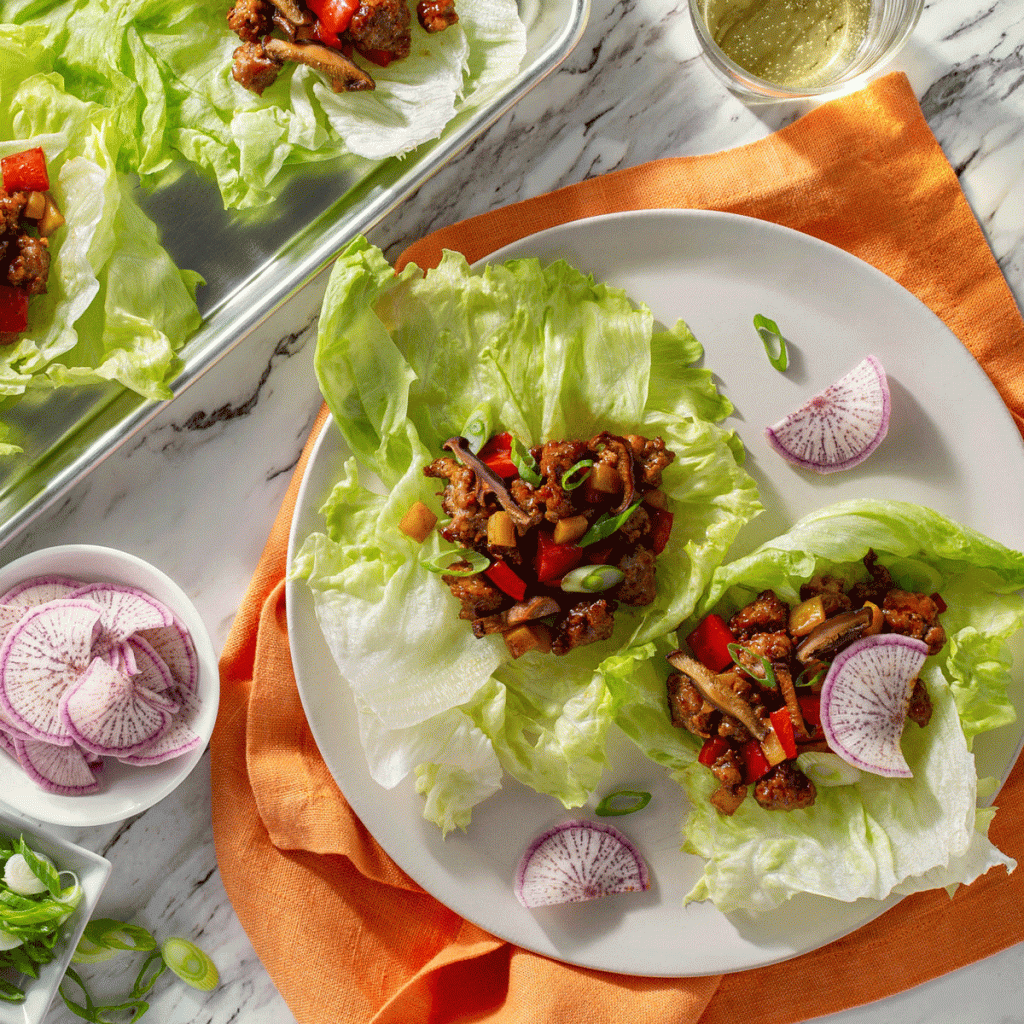
Pork and mushroom lettuce wraps
We could eat these wraps any time of year, but the cool, crisp lettuce is extra satisfying in the summer months as a carrier for seasoned meat and quick-pickled daikon. Prep Time: 20 minutes; Cook Time: 10 minutes.
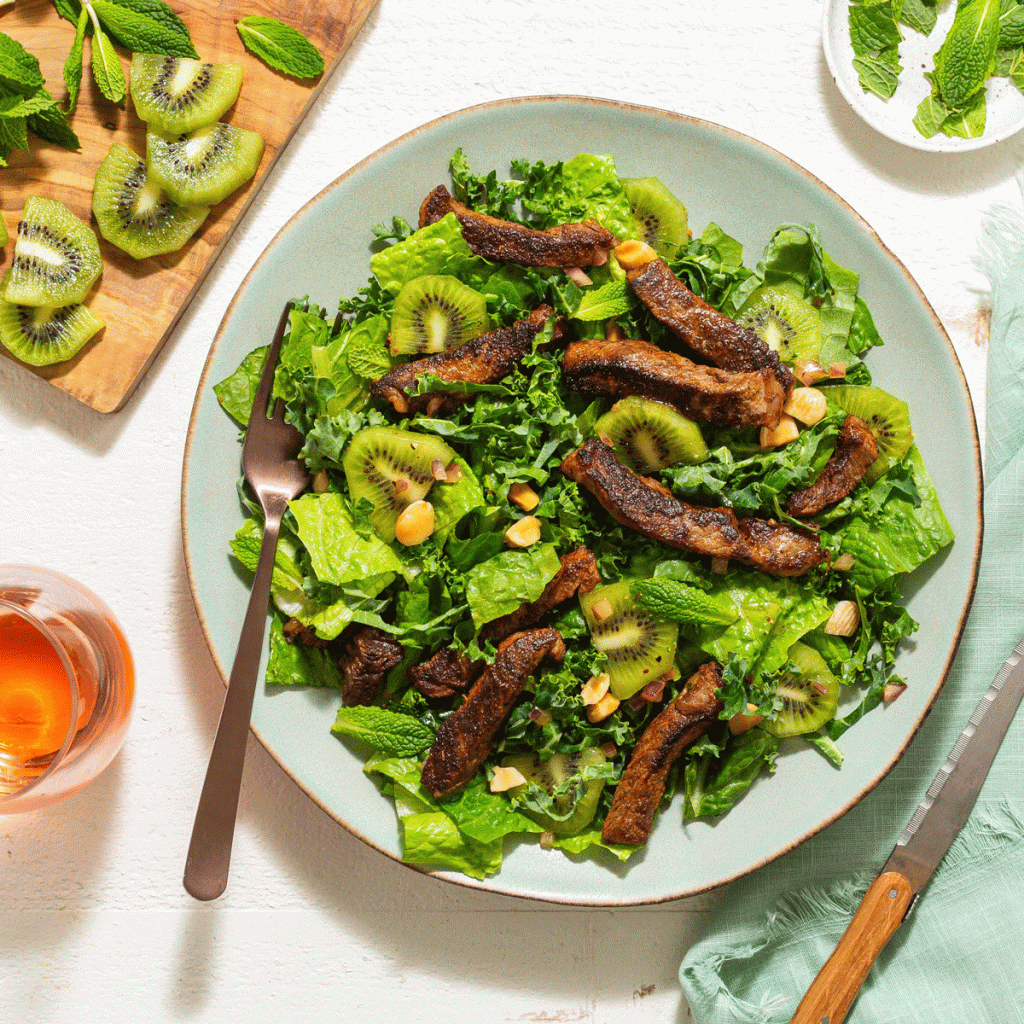
Steak salad with kiwi and mint
Kiwi in a steak salad? Believe it. This bright superfood brings a sweet balance of flavor, while crisp romaine, earthy kale, and buttery Marcona almonds add a parade of texture. Prep Time: 14 minutes; Cook Time: 6 minutes.
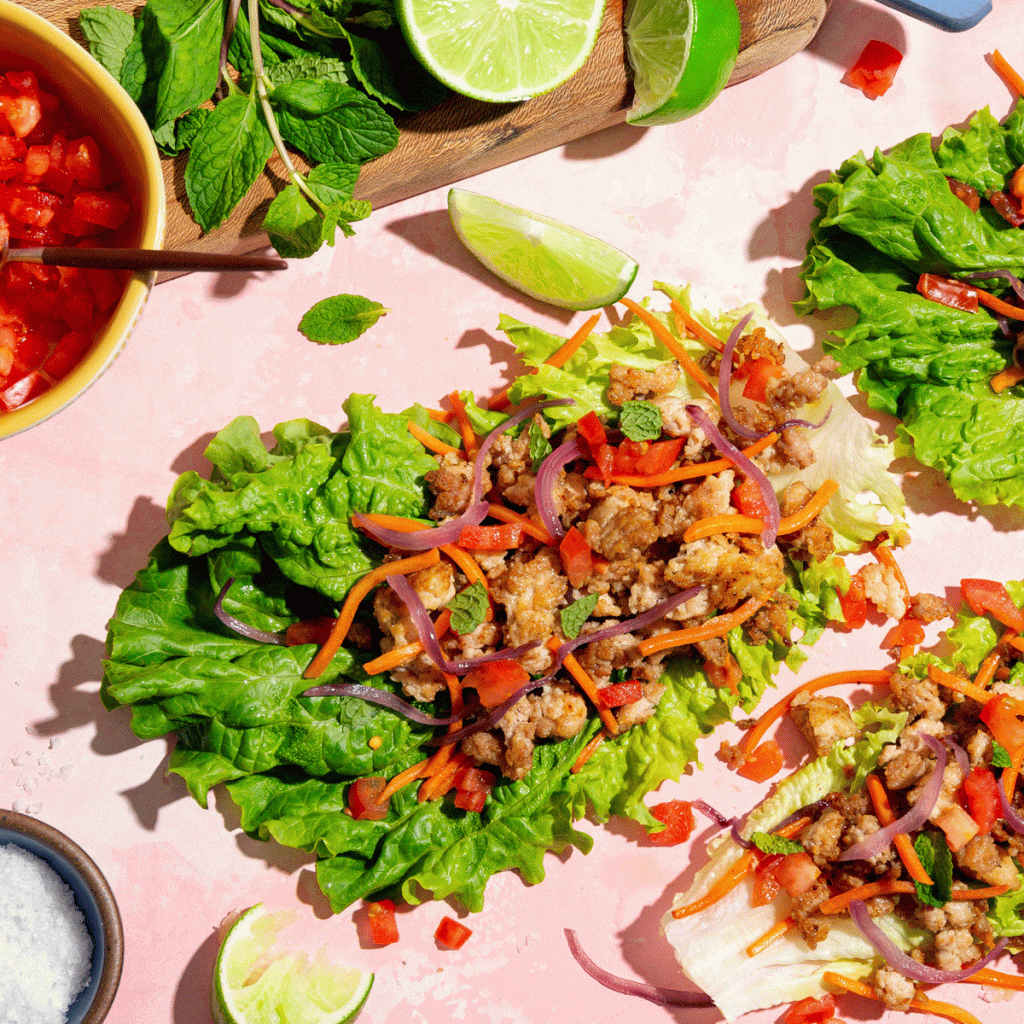
Chicken larb lettuce cups
Chicken larb lettuce cups come together quickly, making this dish the perfect healthy, delicious meal for a busy night. Cut down on your prep time by using shredded carrots. Prep time: 5 minutes; Cook Time: 10 minutes.
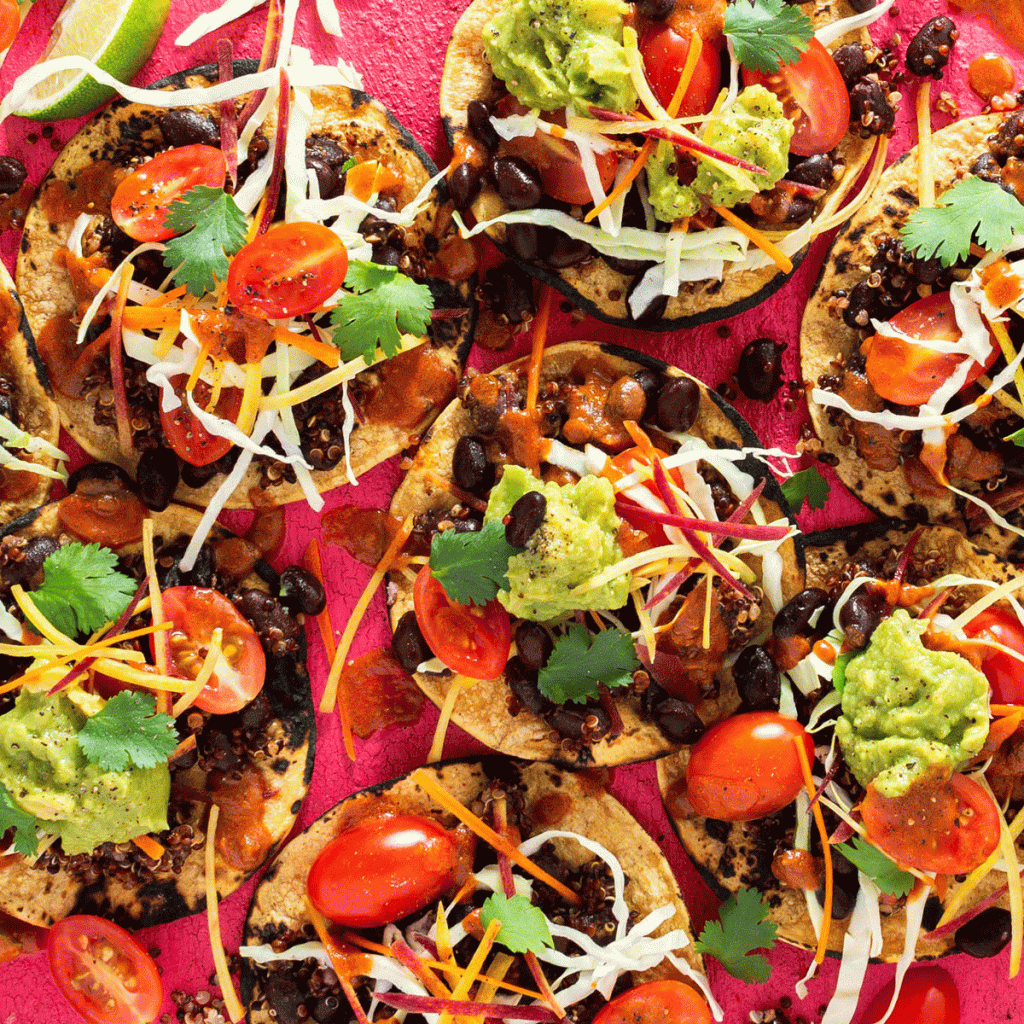
Plant-based tostadas with guac
A spiced simmer sauce is the secret to making the filling so flavorful in these tostadas. They’re easy, fresh, and satisfying after a long day at the beach or cycling on the trails. Prep time: 25 minutes; Cook Time: 20 minutes.
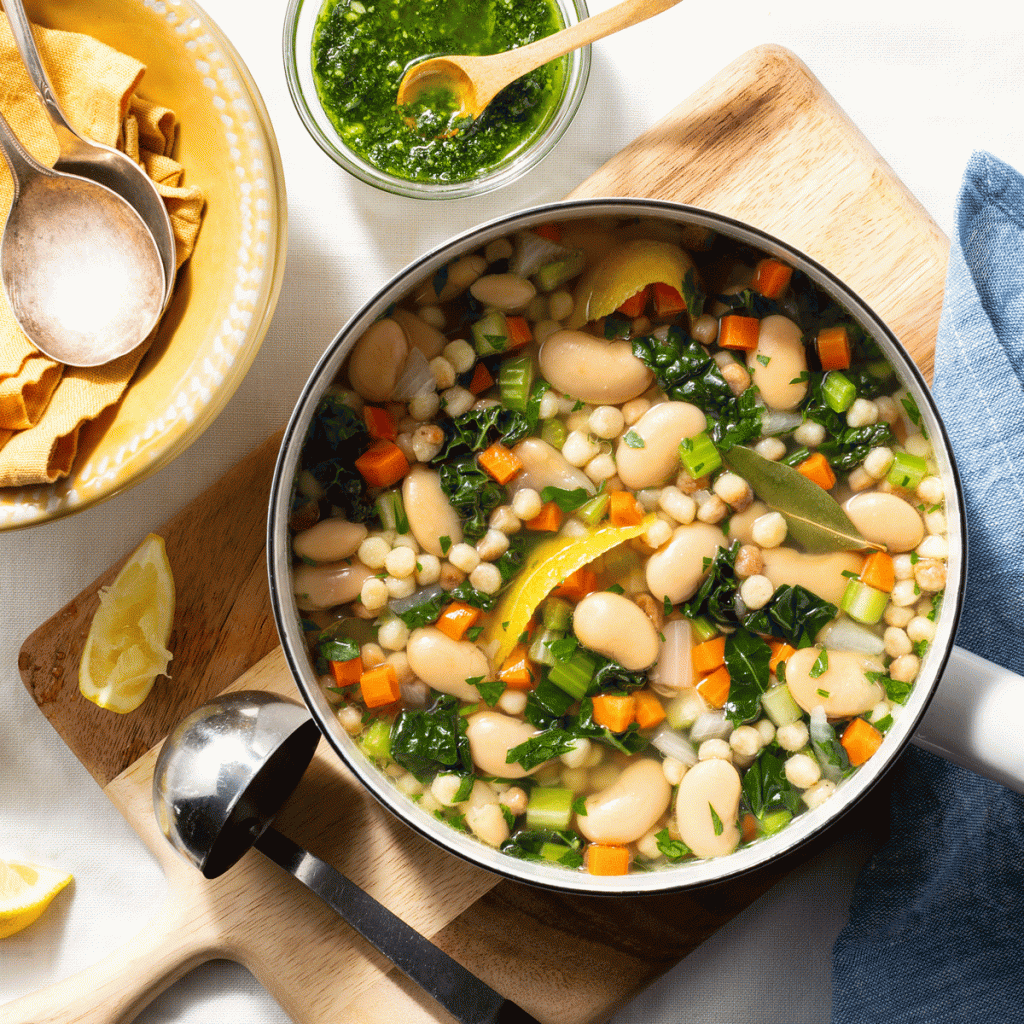
Butter bean fregola en brodo
This light, vegetarian Italian stew with fregola, a toasted Sardinian pasta similar to couscous, is perfect for a cool rainy night. Grated lemon zest adds zing. Prep time: 6 minutes; Cook Time: 14 minutes.
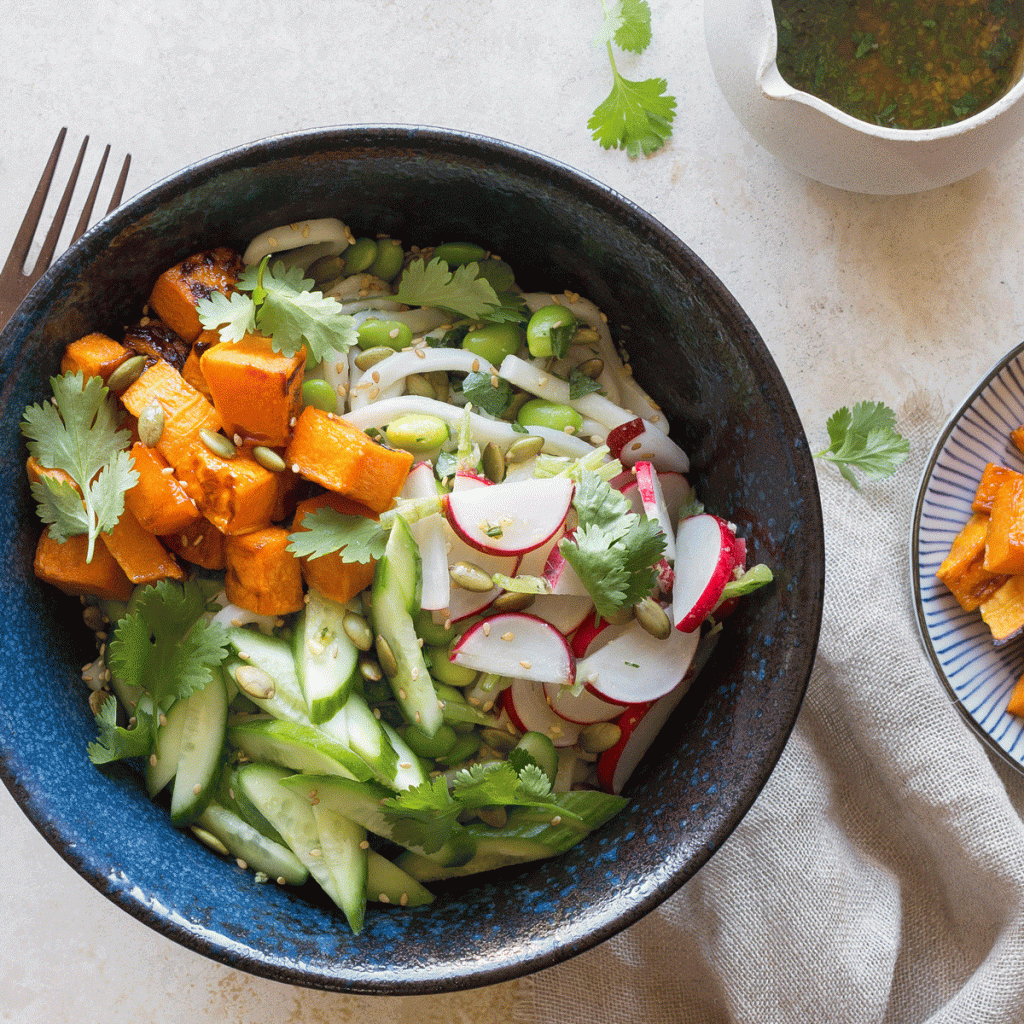
Udon noodle salad with squash
Love udon noodles in broth? Try this udon noodle salad filled with vegetables for a fresh take. Sesame oil, fresh ginger, and rice vinegar really make the fresh radishes pop. Prep time: 15 minutes; Cook Time: 20 minutes.
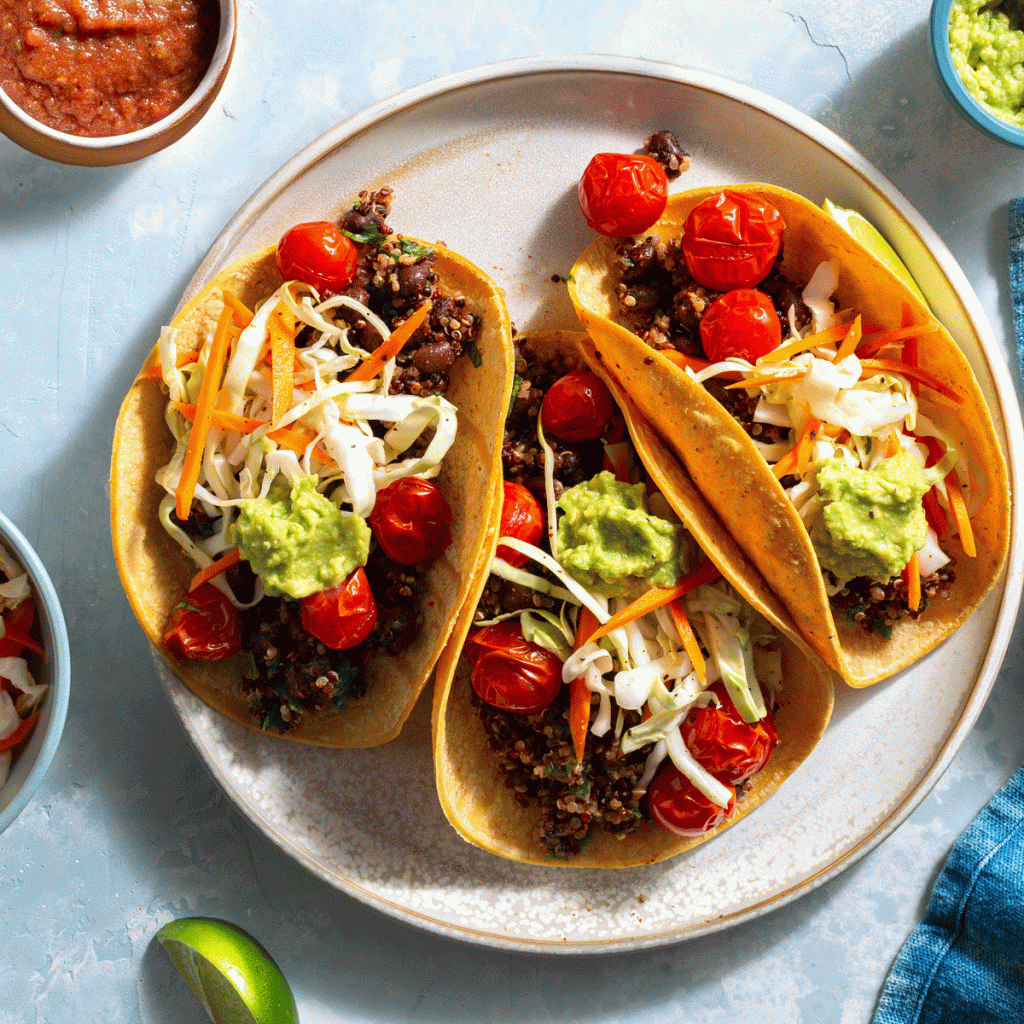
Quinoa-black bean tacos & slaw
Skip the beef tacos this summer in favor of these prepared vegetarian tacos with roasted tomatoes, spiced quinoa, and salsa roja. Just heat up the filling and assemble. Prep time: 5 minutes; Cook Time: 25 minutes.
Meal planning tips
There are countless meal planning options that will help maximize your free time this summer. Try some of these meal planning tips so your meals come together easily and you can make the most of nice weather.
Freeze food: Freezer meal planning helps to extend summer’s bounty beyond Labor Day. You can prepare entire meals to freeze, or simply chop and freeze your favorite ingredients from the farmer’s market.
Focus on variety: There’s no shortage of foodie inspiration during the summer. Browse your local farmer’s market to discover new produce options. By adding variety to your meal planning, you’ll stay excited to prepare food at home that’s both healthy and delicious.
Dive into pantry staples: Prep for success by stocking your pantry with healthy items that help a meal come together quickly. Organic canned beans, quinoa, and organic fire roasted tomatoes are some of our favorites to always have on hand. Keep a variety of shelf-stable proteins and grains in your pantry in order to enjoy a fast, nutritionally balanced meal.
Choose food with a long shelf life: This meal planning idea helps you avoid food waste while also keeping you ready for a quick meal even if you haven’t been to the grocery store all week long. And while you may think long shelf life refers only to canned and dry goods from the pantry, there are actually a lot of fresh ingredients that fall into this category as well, such as cabbage, beets, carrots, apples, radishes, and winter squash.
Remember snacks: Keep healthy snacks on hand so that you can refuel on your own terms, rather than being stuck with whatever the closest convenience store has in stock. Pre-cut your favorite fresh vegetables and keep a supply of your favorite dips on hand, such as guacamole or hummus. You can also easily design your own trail mix featuring your favorite nuts and dried fruit.
Sign up for meal delivery: A home delivery kit is perhaps the best healthy meal planning idea because all of the strategy and shopping is done for you. All that’s left is the fun part: putting together a perfectly portioned meal with healthy, delicious ingredients that make eating deliciously fun. Each Sunbasket meal kit serves two, so you can either share a meal with someone or save the leftovers for tomorrow’s lunch.
Opt for grab & go options: In addition to meal kits, Sunbasket also delivers Fresh & Ready meals that you reheat in the microwave or oven and serve, simple as that. You can also add market items to your order: grab & go oatmeal cups, gluten-free waffles, egg bites, and more.
The perfect match for a healthy, active lifestyle
The summer months can make life feel busier than ever, whether you prefer to pack your schedule with nature-filled camping trips or relaxing roof-top happy hours. With Sunbasket’s meal delivery, you never have to sacrifice healthy eating because you’re pressed for time. Enjoy plant-packed dishes that truly celebrate summer’s best ingredients while still giving you the flexibility to make the most out of the long, sunny days.
10 Amazingly Tasty, Healthy Grain Bowl Recipes
Looking for easy, healthy meals that don’t leave your taste buds disappointed? Grain bowls deliver! They give you all the nutrition you’re looking for with tons of flavor. Plus, the concept offers limitless options for customizing.
What are grain bowls?
A grain bowl combines healthy, flavorful ingredients that create a nutritionally balanced meal. On top of that, they’re typically easy to prepare and are also aesthetically pleasing (hello, Instagram).
Grain bowls usually include five categories of ingredients:
- Whole grain base
- Protein
- Vegetables
- Sauce
- Toppings
The result is a beautiful meal that tastes delicious, includes complementary textures, and provides plenty of nutritional value.
Common Ingredients
The options for creating inspiring grain bowls are endless. Here are some ideas for ingredients to have on hand so you can whip up an amazing meal any day of the week.
Grains: Quinoa, barley, farro, brown rice
Proteins: Salmon, chicken, steak, eggs, shrimp, tofu, beans, tuna, tempeh
Vegetables: Zucchini, carrots, avocado, tomatoes, eggplant, spinach, kale, Swiss chard, cucumbers, cabbage
Sauces: Salsa, tahini, tapenade, hummus, pesto, harissa, cashew dressing
Toppings: Crumbled cheese, chopped nuts, herbs, pumpkin seeds, sesame seeds, sunflower seeds, olives, sauerkraut
Dive into the benefits of grain bowls
Making grain bowl meals comes with tons of perks that go well beyond satisfying your taste buds.
Easy way to meal prep: You’ll have ingredients ready in the refrigerator so you can mix and match for a variety of grain bowls throughout the week.
Creates a balanced meal: Grain bowls contain protein, whole grains, and lots of vegetables. Plus, they taste good!
Minimizes mess: Making a grain bowl doesn’t require a ton of pots and pans. Chopping vegetables and cooking your protein and grains is all it takes for a meal to come together.
Great for any time of the day: Grain bowls are practically the definition of flexibility. Eat them for lunch or dinner; you can even find some breakfast-inspired recipes!
How to make a grain bowl
Quality ingredients make all the difference in creating a wow-worthy grain bowl. Using fresh proteins and vegetables really helps the flavors pop. It’s also important to think about texture. Try pairing soft grains with a contrasting crunchy topping. You can also kick things up with pickled vegetables and savory sauces.
Another way to make a grain bowl interesting is to opt for flavors inspired by cuisines in different parts of the world. Here are some ideas:
- Mediterranean
- Mexican
- Japanese
- Korean
- Thai
- Vietnamese
Use globally inspired flavors and toppings to reinvent grain bowls over and over again. You can also focus on in-season vegetables to enjoy the freshness and flavors that come with being in tune with your own region’s natural cycle.
10 Healthy Grain Bowl Recipes
Ready to start cooking (and eating)? Here are some of Sunbasket’s favorite grain bowls to try at home
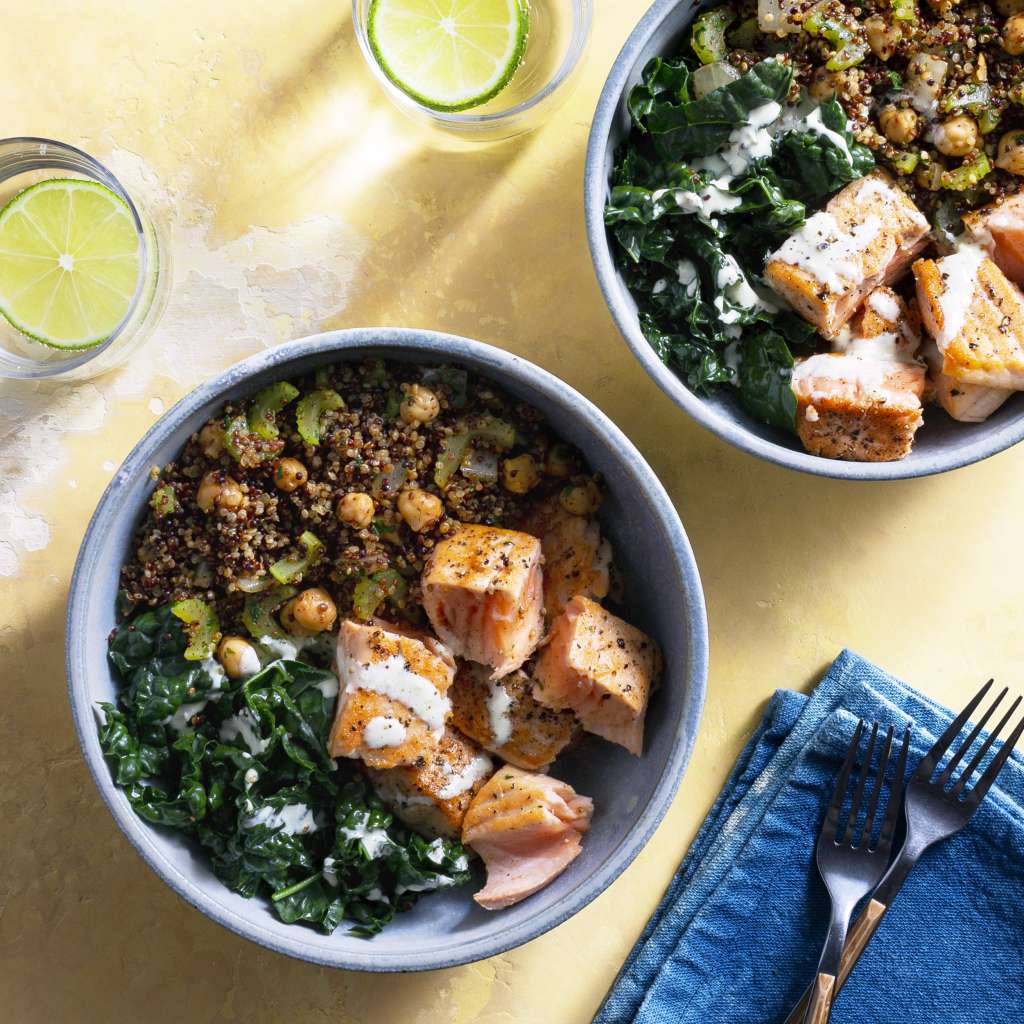
Salmon-quinoa bowls with greens
Heart-healthy salmon gets dressed up with a delicious citrus dressing that packs a punch. Both quinoa and greens round out this standout dish, and you’ll find multiple protein variations in case you don’t love fish.
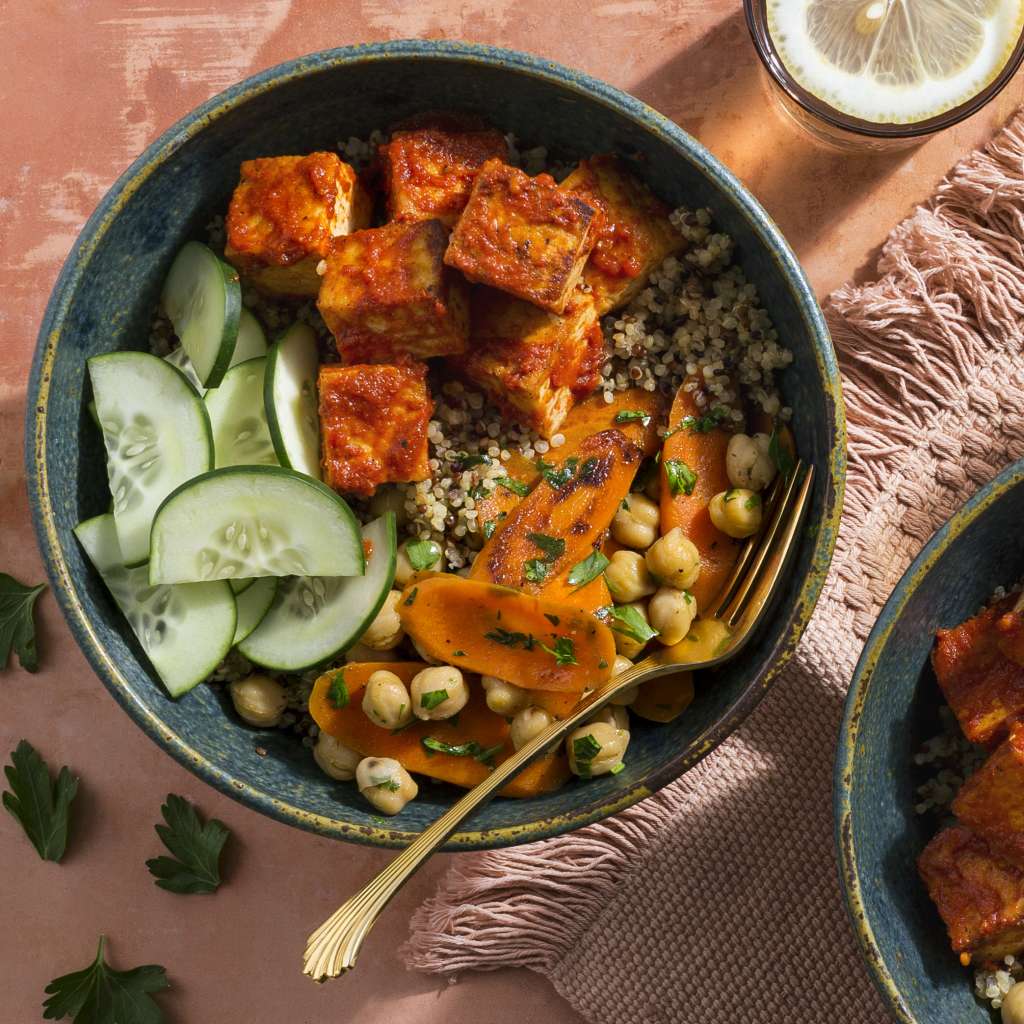
Spicy harissa tofu and quinoa bowls
Allow us to introduce harissa, a popular North African condiment that’s even better (gasp!) than sriracha. It adds bright, spicy flavor to just about anything—including these healthy grain bowls with chickpeas and carrots.
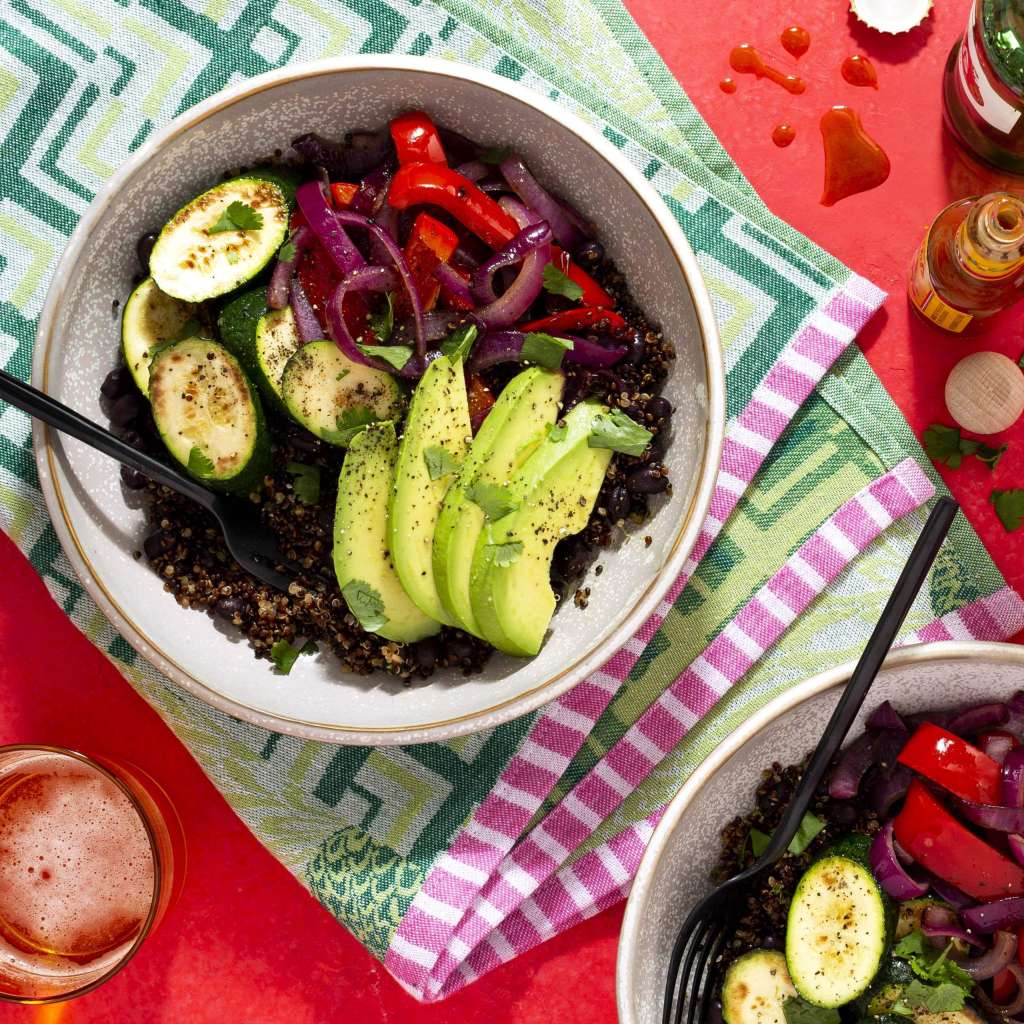
Black bean and quinoa buddha bowls
For a grain bowl recipe that leaves you feeling nourished and well balanced, try this protein-packed option that’s also heavy on the veggies. A zesty punch of lime brings all the flavors in this one together.
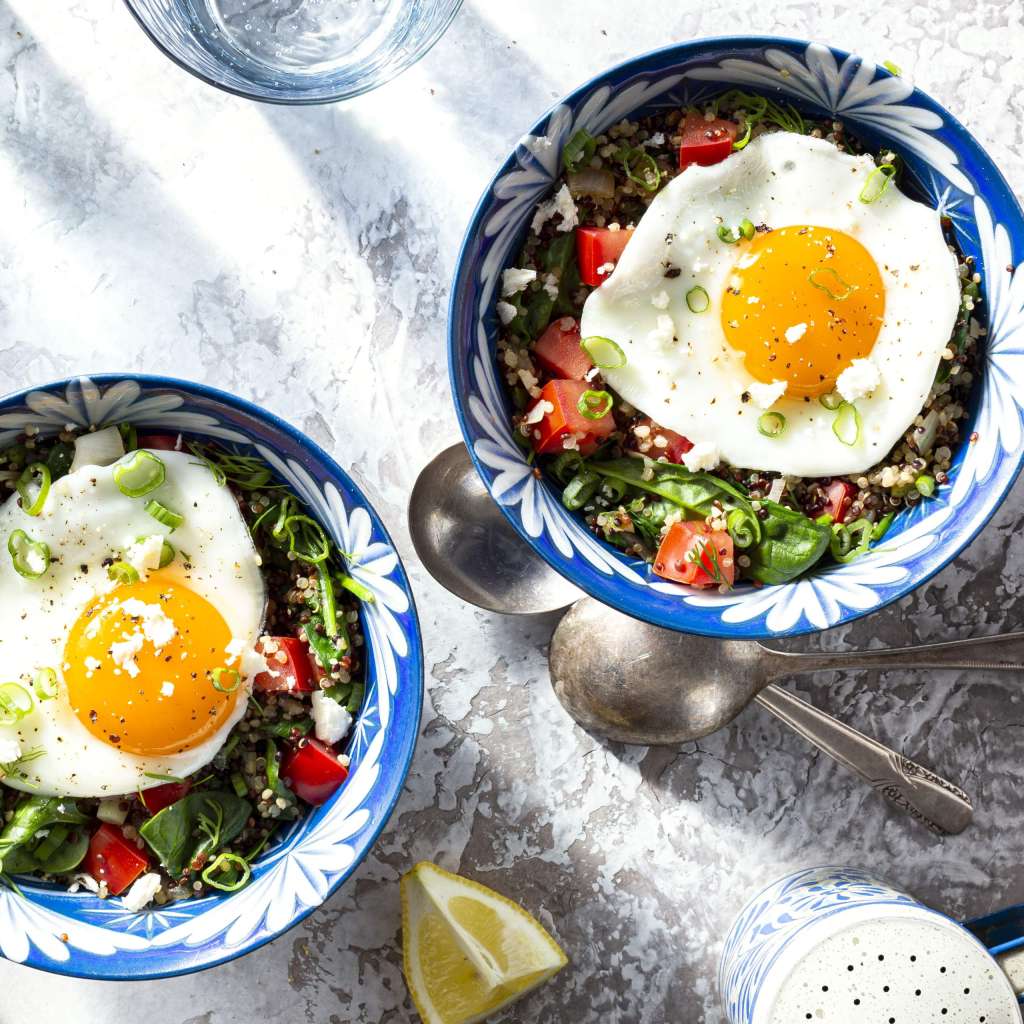
Quinoa-spinach grain bowls with feta
One of our favorite Mediterranean grain bowls, this meal is our take on spanakorizo. The feta and fresh dill are a match made in heaven that work together perfectly in this dish. Greek countryside, here you come.
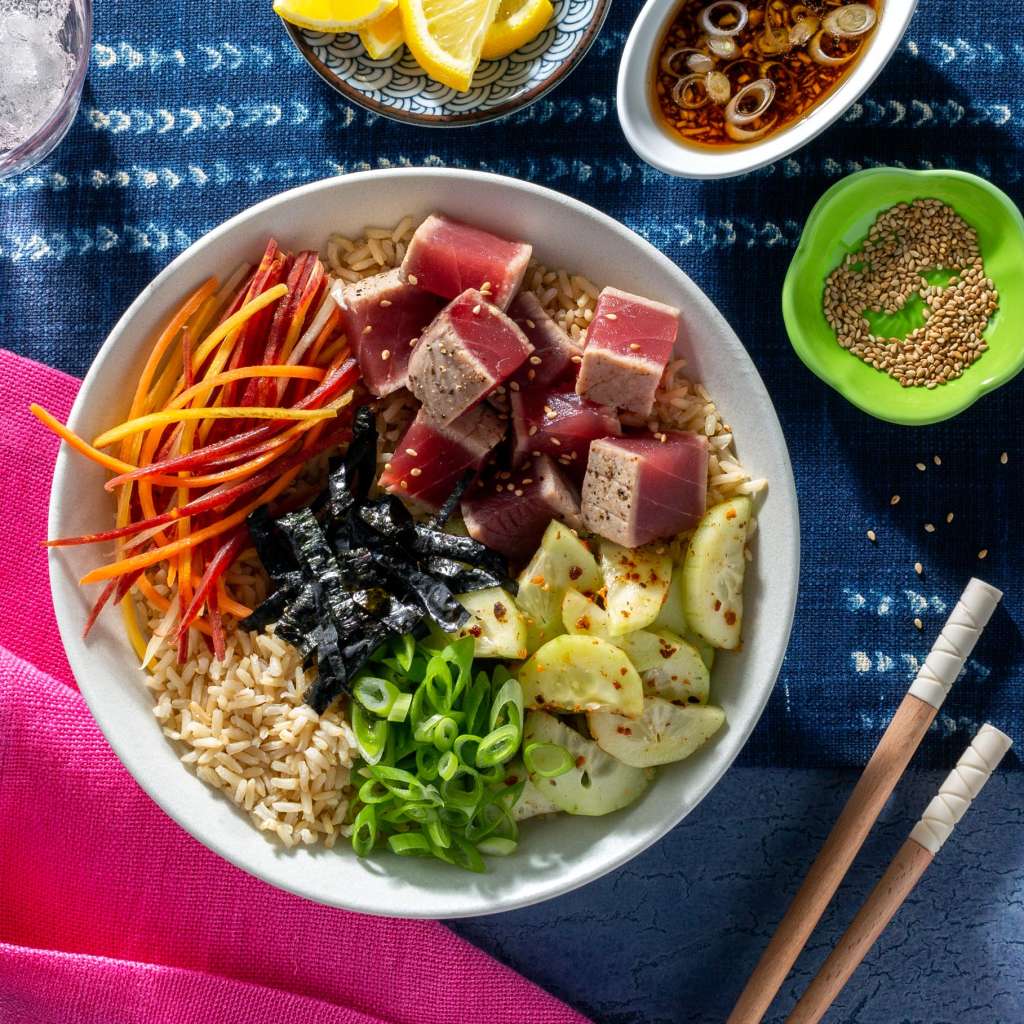
Hawaiian poke bowl with yellowfin tuna
You won’t believe you’re eating a home-cooked meal instead of some high-end takeout when you choose this recipe. This healthy grain bowl features fresh yellowfin tuna with sesame-ginger marinade for a meal to remember.
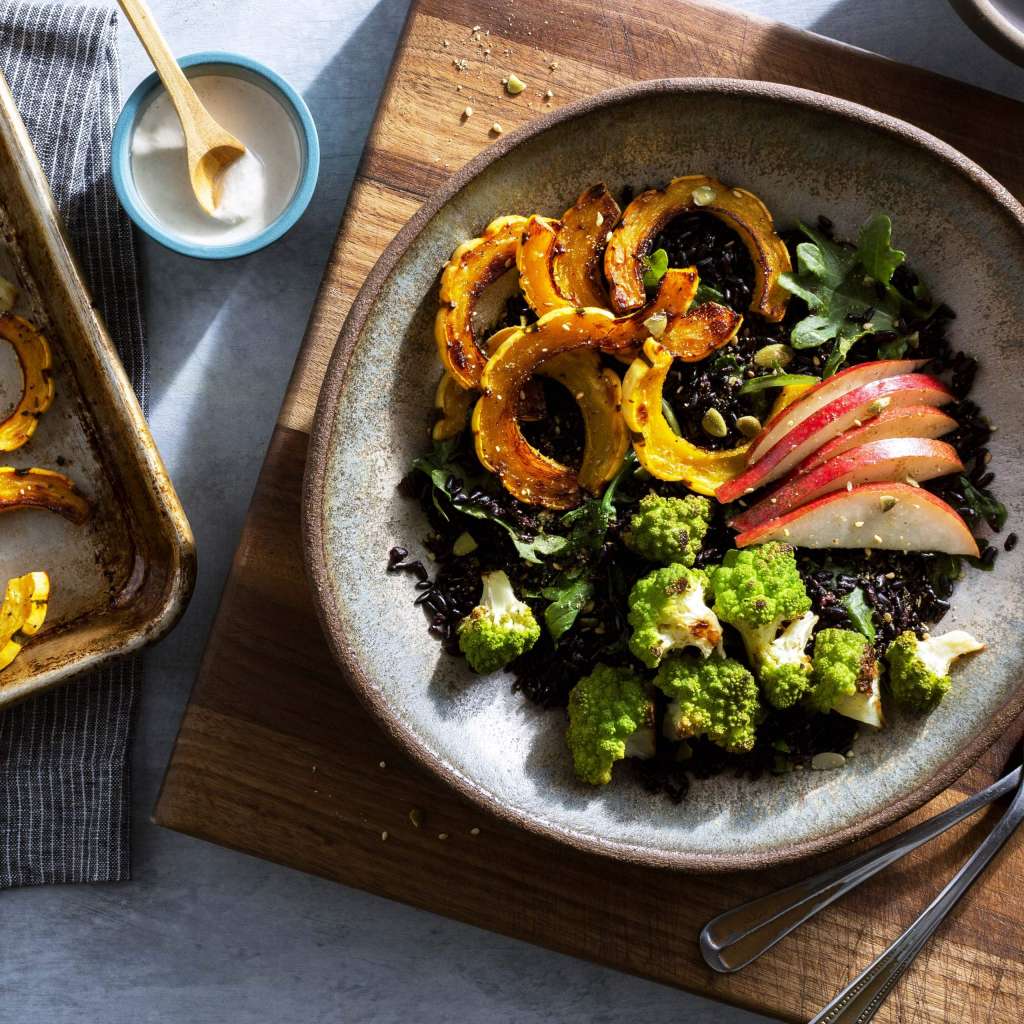
Black rice bowl with delicata squash
The earthy flavors of this grain bowl make it the perfect meal for cool, cozy nights. Pears and delicata squash add a touch of sweetness and work well with the luxuriously creamy (yet dairy-free) cashew dressing.
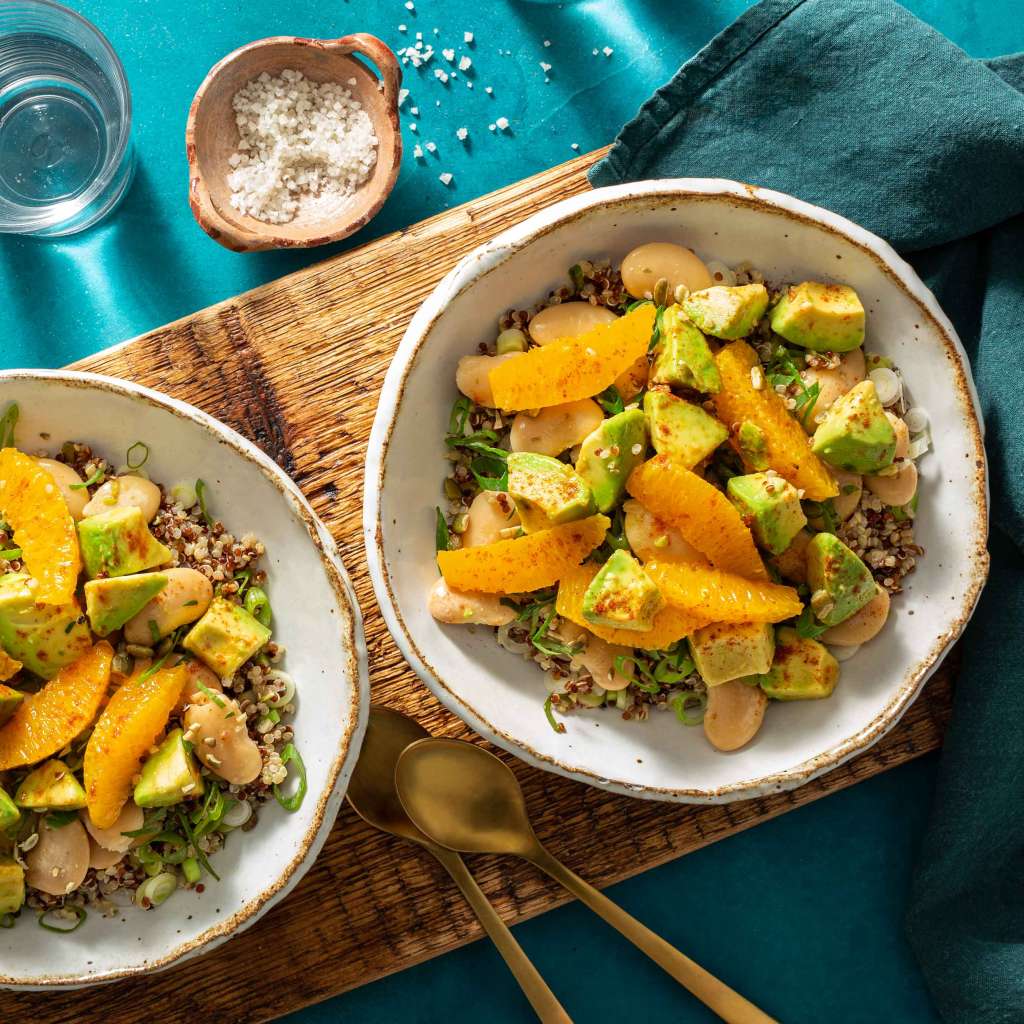
Mayan butter bean and quinoa bowls
Achieve the deep flavor of traditional Mayan beans in a fraction of the time with this easy meal prep grain bowl. Top with fresh avocado for richness, citrus for brightness, and roasted pumpkin seeds for a pleasant crunch.
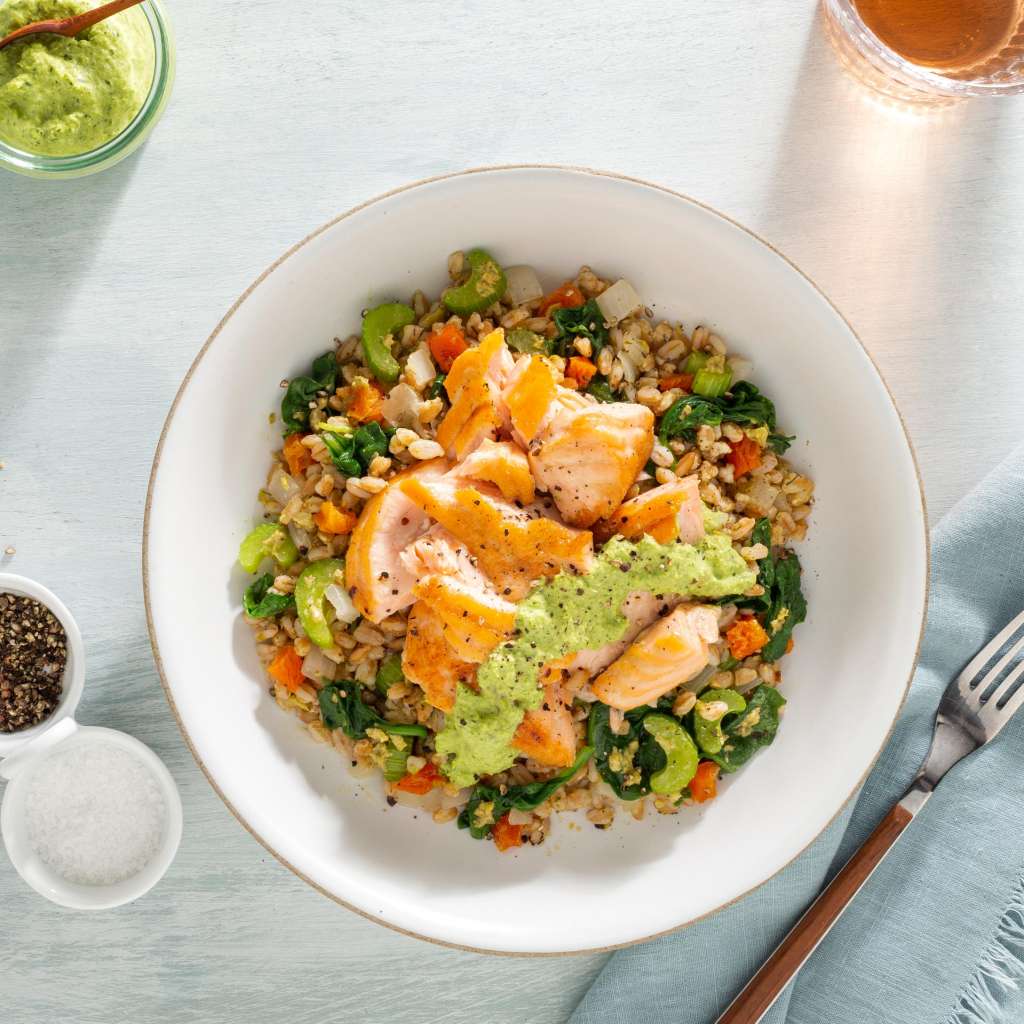
Salmon farro bowls with green goddess
Farro as the base with our homemade green goddess make this salmon dish a truly divine protein grain bowl. What makes the dressing so good? Mayo, fresh green herbs, and anchovy paste—it’s like a Caesar on herbs.
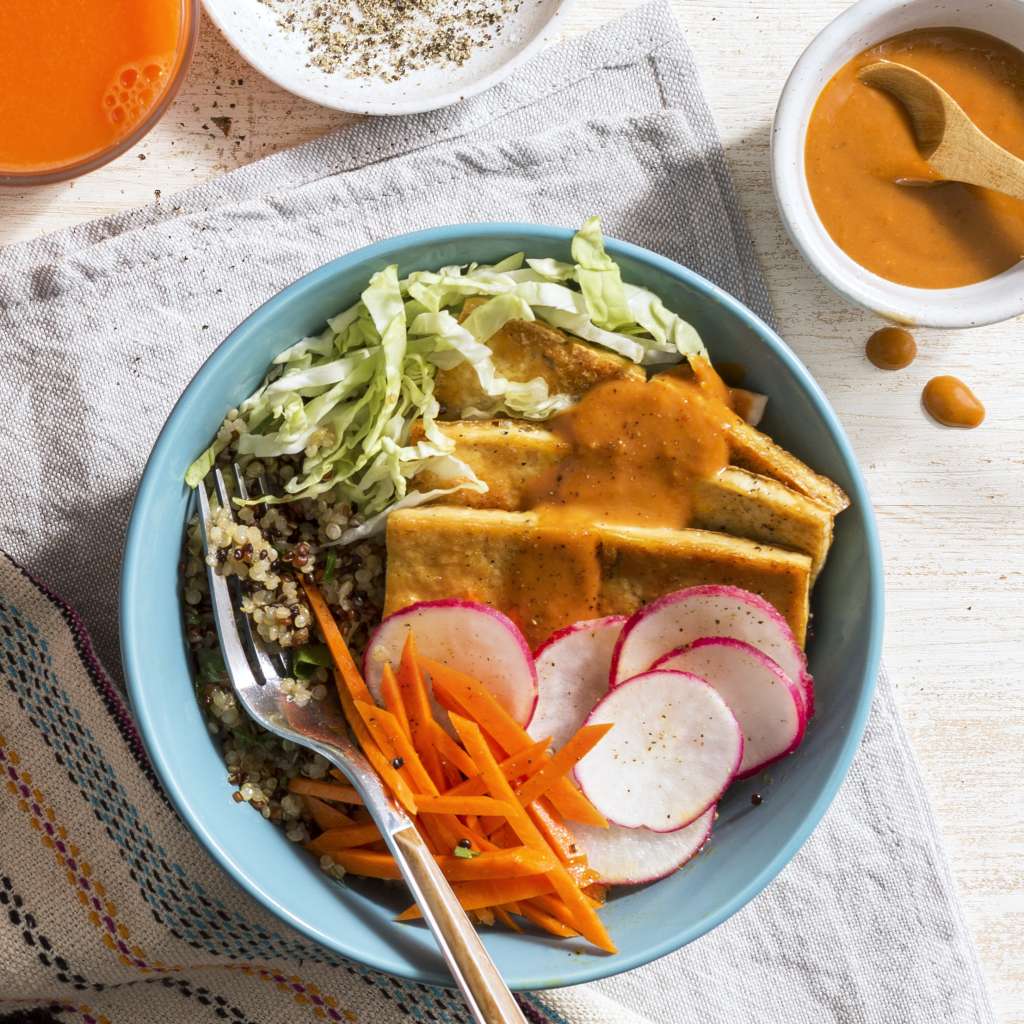
Quinoa tofu bowls with lime dressing
Look no further for a Vietnamese-inspired grain bowl. This combination of pickled vegetables and delectably creamy cashew-lime dressing is sure to please. Using tofu as your protein makes this a nice vegan option.
How Sunbasket helps you eat healthy without sacrificing taste
Sunbasket’s meal delivery allows you to create perfectly portioned grain bowls without all of the time-consuming prep work. And with fresh, high-quality ingredients, you won’t be tempted with unhealthy takeout options. Instead, you’ll have delicious, healthy meals delivered straight to your door with minimal cooking required.
Sunbasket also offers Fresh & Ready meals that go straight into the microwave or oven. It’s the perfect way to enjoy a grain bowl during a work-from-home lunch break. And with regularly rotating recipes developed by award-winning chefs, you’ll be excited to open your Sunbasket delivery box each week, no matter which option you choose.
Tips for Sourcing Sustainable Food
We all want to do more to help the environment, and using sustainable food sources is a surprisingly convenient (and delicious) way to do that. Picking well-sourced ingredients, eating more plant-based meals, and being mindful of packaging helps to protect our ecosystems and reduce greenhouse emissions. A meal kit delivery service is an easy way to incorporate more food sustainability into your everyday routine.
The importance of sustainable foods
What is sustainable food and why is it important? Sustainable practices reduce waste as well as negative human impacts on the environment. Here are some benefits of sustainable food.
Healthy air, land, and water. One of the primary goals of finding sustainable food sources is to reduce chemicals that are harmful to our food supply and ecosystems. Proper farming practices help prevent harming bees, birds, and other wildlife. Sustainable fishing practices protect species viability and healthy populations in the future.
Eco-friendly packaging. The majority of food packaging isn’t recyclable, and much of it ends up polluting waterways and filling up landfills. Ocean plastic pollution is such a huge problem that the U.N. has declared it a planetary crisis. Products found in grocery stores are usually packaged in multiple layers with materials such as plastic, glass, and metal. Alternative food sources level up their commitment to sustainability by using recyclable and compostable materials.
Increased food security. Eating sustainable foods contributes to food security in a couple of different ways. First, the methods used to produce sustainable food enrich the soil, rather than deplete it, ensuring our ability to grow food in future. Additionally, eating in a way that encourages minimal carbon emissions lessens global warming caused by the greenhouse effect. The food choices we make today play a key role in preventing rising temperatures and weather conditions that threaten our global food supply.
What makes organic food sustainable?
Organic food is a major part of the sustainability movement. But you might wonder what “USDA Certified Organic” really means. According to the USDA, it’s meant to “foster cycling of resources, promote ecological balance, and conserve biodiversity.” Seeing the organic label on your food means that ingredients were grown according to federal guidelines, including:
- No synthetic fertilizers or pesticides
- No antibiotics or hormones used in animals
- No genetically modified ingredients (GMOs)
- No irradiation
Not using chemical pesticides when farming ensures that beneficial insects like pollinators can survive and thrive in doing their important work.
The state of food waste in America
It takes a lot of natural resources to produce and ship food in the U.S. Unfortunately, 40% of all food in America is thrown away each year, totalling $408 billion in losses. That’s the equivalent of every person in the country throwing out one pound of food each day.
Here are some more shocking food waste facts:
- The United States discards the most food out of all countries in the world.
- Food takes up the most space in U.S. landfills.
- Meal kits are proven to result in less food waste compared to grocery store meals.
How to reduce food waste
Learning how to reduce food waste is a great first step in creating a more sustainable food supply chain. Avoid letting your groceries spoil by taking the following steps:
- Plan meals in advance and shop with ingredient lists.
- Preserve produce by freezing, pickling, fermenting, and canning.
- Make your own broth with meat bones and vegetable scraps.
- Use leftover ingredients in soups or casseroles.
Another way to reduce food waste is to order meal delivery kits because you get perfectly proportioned ingredients for meals. But not all services are created equally. Follow these tips to pick the most sustainable solutions available:
- Opt for organic produce and proteins.
- Look for packaging that’s reusable, recyclable, and/or compostable.
- Choose meals based on seasonal ingredients, since they won’t need to be shipped from distant locations.
With the right meal delivery service, you’ll not only enjoy healthy and tasty meals, you’ll also reduce food loss on a regular basis and contribute to fewer greenhouse gas emissions.
Do meal kits help reduce food waste?
A University of Michigan study showed that getting ingredients from a grocery store generates 33% more greenhouse emissions than having meal kits delivered, even considering meal kit packaging. Why? One reason is that meal kits provide the exact amount of the ingredients you need to make the meal, reducing all the emissions caused in transporting food that doesn’t get eaten.
For example, say you want to make a roasted beet salad for two people. Your meal delivery kit would arrive with one or two beets in it. But if you gathered ingredients at the store, you’d buy a bunch, leaving you with leftover beets which, without a plan, can easily spoil in your refrigerator.
Meal delivery businesses also have far less food waste in the supply chain than grocery stores. Ingredients don’t sit on grocery store shelves waiting for people to buy them. Meals and the exact amounts of ingredients needed are ordered in advance and delivered directly with much less food being thrown away in the process.
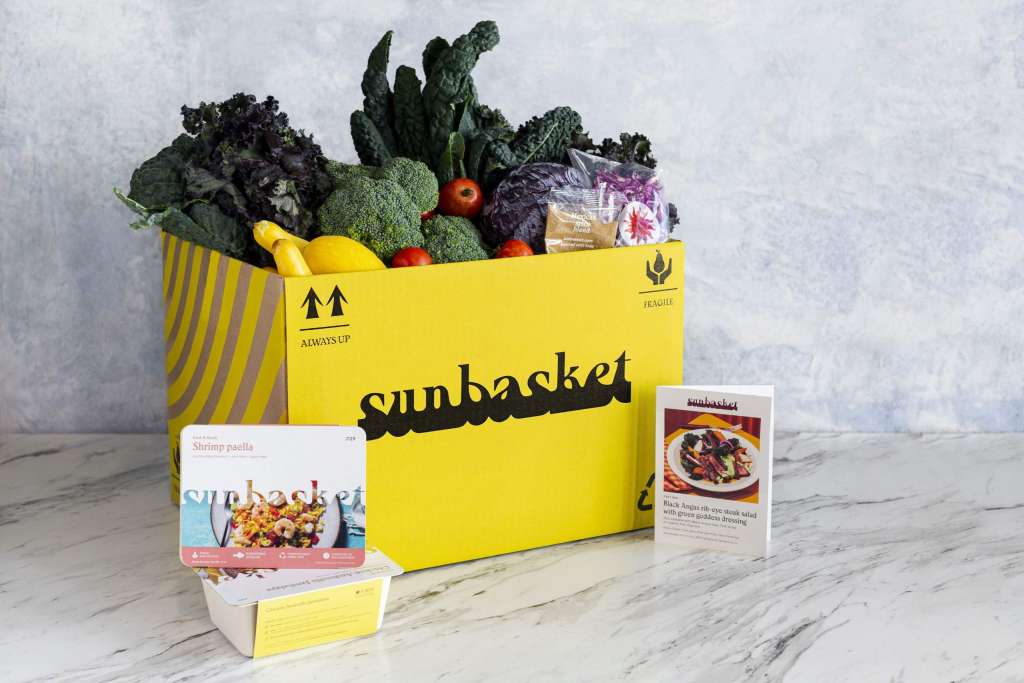
How Sunbasket helps you eat more sustainably
Looking for a meal kit delivery service that offers a comprehensive commitment to sustainability? Healthline rates Sunbasket “the most eco-friendly meal kit service.” And Insider reports, “Sunbasket will impress anyone who takes sourcing seriously and wants to eat more responsibly and sustainably.” Sunbasket has a distinct set of ingredient standards and values that guide our practices.
USDA certified organic produce, and more: We use organic fresh produce, eggs, tofu, yogurt, and milk in all our meals 99% of the time. (We shoot for 100% but in rare cases they’re unavailable). Organic proteins are also an option on most meals.
Carefully sourced meat and seafood: We only use seafood that is recommended as Best Choice or Good Alternative by the Monterey Bay Aquarium Seafood Watch® program, and all our fisheries are certified by the Marine Stewardship Council (MSC). Our meats and poultry are always free of antibiotics and hormones.
Low-impact packaging: Nearly all Sunbasket packaging is recyclable, compostable, or repurposable and made with upcycled materials whenever possible.
Want to eat more sustainably with delicious, healthy meals? Sunbasket meal delivery is a great place to start. Join us!
How to Make Kale Chips in the Oven or Air Fryer
Substituting vegetables with health benefits into classic snacks and dishes is a great way to love what you eat and feel great. Cauliflower can step in for mashed potatoes and rice, hearts of palm for pasta, sweet potatoes for hamburger buns, and beets for ketchup. One of my favorite produce takeovers is kale, the once-scoffed-at crucifer. Remember when you only saw it as a garnish on patty melt plates at diners?
These days, if you’re not drinking a juice or smoothie made with kale, wearing a “KALE” tee shirt, or munching on this nutritious nosh, you’re missing out on a culinary and cultural phenomenon, not to mention kale’s health benefits. Vitamin A helps keep bones and eyes healthy, vitamin K supports blood clotting and bone building, and good old vitamin C helps prevent colds and some chronic diseases.
Making homemade kale chips is a great way to get in the kale game while also enjoying a delicious, crispy snack. In addition to being an excellent source of vitamins, a one-ounce serving of kale chips also has about 3 grams of fiber — about 3 times as much as other chips. Take that, potato chips! Kale chips are easy to make at home and once you master the basics, the flavor possibilities are endless.
General tips for the best homemade kale chips
- Wash and dry your kale thoroughly. Wet kale = soggy chips.
- Remove the rib or stem. The stems are hearty and won’t crisp at the same rate as the leaves. Stems can also become very tough and woody if not removed.
- To coat the kale leaves lightly in oil, you can either rub it on with your hands or use avocado or olive oil spray (just make sure you look for one that is chemical and propellant free).
- If you’re using a premade spice blend, check the ingredients for salt. If your blend contains salt, you likely won’t need to add more since the flavors concentrate when the chips dry out in the oven.
Sunbasket’s perfect oven-toasted kale chips recipe
Heat the oven to 350°F.
- Strip the leaves of 1 bunch of kale leaves from the stems. Tear or cut the leaves into 2-inch pieces.
On a sheet pan, drizzle the kale with 2 to 3 teaspoons of avocado or olive oil. Season lightly with salt and pepper, sprinkle with about 2 tablespoons of your favorite spice blend, and toss to coat. Spread in an even layer and bake, turning halfway through, until the kale chips are crisp around the edges, 10 to 12 minutes. Remove from the oven and season to taste with salt and pepper.
How to make kale chips in the air fryer
It’s easy to make kale chips in the air fryer.
Heat the air fryer to 350°F.
- Strip the leaves of 1 bunch of kale from the stems. Tear or cut the leaves into 2-inch pieces.
In a bowl, drizzle the kale with 2 to 3 teaspoons of avocado or olive oil. Season lightly with salt and pepper, sprinkle with about 2 tablespoons of your favorite spice blend, and toss to coat. Working in batches, spread the kale pieces in a single layer in the basket, shaking halfway through, until the kale chips are crisp around the edges, 4 to 5 minutes. Remove from the air fryer and season to taste with salt and pepper.
About half of a bunch of prepped kale will fit in a 6-quart basket of an air fryer so to make one whole bunch of kale you’ll need to empty the basket half way through. I prefer to make my kale chips in the oven so I can whip 2 full batches at once on both racks of my oven. I tend to eat one immediately, and then I cool the remaining chips completely before storing them in an airtight container for eating within the next 2 to 3 days.
My favorite kale chip recipe spice blends
Try different seasoning blends to literally spice up your kale chips every time you make them. Here are five of my favorite combinations:
- 2 tablespoons nutritional yeast + 2 teaspoons sumac
- 1 tablespoon Italian seasoning + 1–2 tablespoons parmesan cheese
- 1 tablespoon ranch dressing mix + 1 teaspoon cayenne pepper
- 1 tablespoon soy sauce + 1 tablespoon sesame seeds or togarashi
- 1–2 teaspoons wasabi powder
I serve kale chips as a side with burgers, sandwiches, and soups. They’re also my favorite stand-in for popcorn on movie night!
Kale Yeah!
Healthy Bowls: Bright New Lunch-o-tunity
You’ve probably seen healthy grain bowls on takeout apps or restaurant menus. There’s definitely a good reason for their popularity. Bowls are a seriously great solution for filling up at lunch without getting overloaded.
Bowls also have several health benefits. They are a tasty way to incorporate fiber, whole foods, and tons of vegetables into your diet. And the exciting range of textures and flavors available in bowls makes fueling up with the good stuff a pleasure.
Bowls aren’t cumbersome like sandwiches or wraps (bye bye to that embarrassing spillage stain before your big meeting), so they’re perfect for a working lunch.
Lunch’s time to shine
Lunch bowls are a perfect balance of healthy, tasty, and easy to make. Eating a healthy lunch doesn’t feel like a chore with bowls. With so many ways to combine healthy ingredients that taste great, lunch bowls are one of the best options for midday meals.
You can prep ingredients over the weekend to toss together quickly during weekday lunches. You can prepare a whole lunch bowl (keeping any dressing separate) the night before. Or you can stock your fridge with ready-to-heat prepared bowls from a meal delivery service. However you get your healthy bowls on the table, you’ll be glad you did. They can be much cheaper and faster than takeout. And they’re much more exciting than salads, sandwiches, and the usual workweek fare.
Healthy, fresh & good for you
Healthy bowls include all the freshest ingredients out there. Start with quality, energy-boosting carbs, like farro and quinoa, or hearty legumes like garbanzos and black beans. They offer good whole-grain sustenance which processes slowly in the body and releases energy at a consistent rate. No midday, carbo-loaded sugar crash here.
Healthy bowls can be loaded with an endless variety of veggies from roasted root vegetables like sweet potatoes and beets to vitamin-rich greens like kale and collard greens. The beauty of healthy bowls is that they show off the bright and healthy colors of the garden.
Roasted nuts and seeds give healthy bowls a toasty bite and crunch, and high quality lean proteins like eggs and seafood give you energy with real staying power.
Nutrition that doesn’t compromise flavor
Healthy lunch bowls help you get the max amount of nutrients in every bite without compromising on flavor. In fact, amazing flavor is the calling card of lunch bowls.
Without buns or wraps, there’s nothing hiding all the delicious flavors inside: from Mexican achiote-citrus pork to Asian black rice with beef, mushrooms, and bibimbap sauce. A good sauce can turn your choice of protein on a bed of non-traditional grains into an absurdly delicious lunch.
Healthy bowl recipes
Hungry yet? Here are some of our favorite recipes to get you started:
- Seared tuna and black rice bowls with roasted sweet potato and nori
- Quinoa and tofu bowls with cashew lime dressing
- Kefta spiced ground beef bowls with cauliflower hummus
- Black bean and quinoa burrito bowls with mixed vegetables and avocado
Healthy bowl delivery service
With a prepared meal service that offers healthy bowls (we’re one of them!), you can skip cooking and the time-consuming takeout shuffle altogether and get healthy bowls delivered to your doorstep. Here are just some of the kinds of healthy lunch bowls you can get delivered. They’re great to have handy in your fridge, ready to heat and eat:
- Middle Eastern chickpea and freekeh grain bowl with herb yogurt
- Chicken and egg donburi rice bowl with kimchi-lime vegetables
- Grilled chicken soba bowl with mixed greens and sesame dressing
- Yuba japchae bowl, with glass noodles, mushrooms, and pickled carrots
Ready to dive into deliciousness? Click here to see healthy bowls featured in our Fresh & Ready menu.
Health Benefits of Bone Broth
What is bone broth?
Bone broth is made by boiling down and simmering animal bones and connective tissue. The long, slow simmer breaks down the connective tissue to release nourishing nutrients and minerals, such as collagen.
Bone broth can be made using bones from any animal — pork, beef, turkey, lamb, chicken, fish etc. Herbs, vegetables, and spices can be added for more flavor. There are many ways to consume bone broth — you can drink bone broth by itself, use it in soups or stews, cook grains such as rice, quinoa, couscous etc. in bone broth, add it to marinades, and so much more.
What are the health benefits of bone broth?
- Nourishing and nutrient-dense
Bone broth has many healing compounds such as collagen, amino acids, and minerals such as calcium, magnesium, potassium, phosphorus, etc. which are all bone-building and strengthening nutrients. In addition to bone health, these minerals are also important for a healthy metabolism, heart health, and muscle function.
- Protect Joints
The benefits of bone broth are mostly due to its collagen content. Collagen is one of the most abundant proteins in our bodies. Its essential job is to hold us together, give us structure, and allow our bodies to move and bend. Collagen plays a huge role in keeping our muscles, joints, and ligaments functioning properly. As we age, our body’s natural collagen production begins to decline, which is why it may be beneficial to consume mineral and collagen-rich foods such as bone broth.
- Supports gut health
The collagen in bone broth is made of amino acids such as glycine and glutamine, which supports the lining of the digestive tract and reduces intestinal inflammation. Bone broth can be helpful for those managing inflammatory gut conditions such as leaky gut syndrome or IBS, as it has anti-inflammatory properties and easy-to-absorb nutrients.
- Boosts the immune system
Our gut contains at least 70% of our body’s immune cells. Bone broth’s gut supportive benefits may also boost the immune system as a whole. Studies have also shown that bone broth can ease cold symptoms likely due to its anti-inflammatory effects. The easily absorbed nutrients and gut restorative properties may therefore support a healthy immune function and decrease inflammation.
- Maintain healthy skin
Collagen-rich bone broth may also benefit hair, skin, and nail health. Collagen helps our skin maintain its elasticity and structure, which also keeps it smooth to maintain its texture and appearance.
Get Psyched for Steak Night
Special occasions call for steak. And sometimes a great steak is the special occasion. Here are 5 tips from our award-winning Sunbasket chefs for making it your best steak night ever.
1. Pick the steak that makes you happiest
In our meal kits we typically offer a choice of 4 cuts that are great for pan-searing or grilling. We love all our steaks for different reasons. Pick the one that best fits your mood or occasion.
- Filet mignons – thickest, leanest, most tender $$$
- Rib-eyes – most marbling, rich flavor, very tender $$
- New York strips – some marbling with namesake fat strip $$
- Sirloins – very lean, less rich/tender than others, great flavor $
2. Chill out for an hour
Put steaks that are 1-inch or thicker on the counter about an hour before cooking. Fridge-cold steaks take longer to cook, and the longer you cook them, the thicker the gray ring of well-done meat gets on the outside as you wait for the center to come to the desired doneness. To increase the amount of your steak that’s cooked to perfection and to avoid overcooking the outside, give your steak a smaller range of temperature to travel by letting it come to room temperature first.
3. Pick your target temperature
Rare, medium, well, or something in between? Before you say what you always say, consider this little nugget of advice from one of our chefs. Each of these cuts has a most tender temperature, and — surprise! — they’re not all rare.
- Filet mignon is most tender at 125–135°F (rare to medium rare)
- Rib-eyes are most tender at 130–135°F (medium rare)
- New York strips are most tender at 135-140°F (medium)
- And sirloins are most tender at 140-145°F (medium well)
4. Sear to golden, crusty perfection
For the tastiest, dark brown crust on your steak as possible, dry your steak before it hits the pan or grill. Get those paper towels out and do it. You will be tempted to skip this step. Don’t. A wet steak means a gray exterior with no crust. Don’t let this happen to you. Is your steak dry? Really dry? Good!
Now a lot of cooks have been trained to not move their steak while the crust is forming. Our chefs beg to differ. The coolest part of the pan is where the steak is. The hottest part is where the steak isn’t. For the best sear, move the steak to a new, hot part of the pan about every 30 seconds until the crust is formed.
5. Pull off the heat at the perfect time
Why guess when your steak is done when you can know for sure? The pros use a meat thermometer. It’s easy to use—way easier than guessing the internal temperature of your meat. Just insert the tip of the thermometer 1/3 of the way through the steak at the center and use these temperatures as your guide:
- Rare: 125-130°F
- Medium rare: 130-135°F
- Medium: 135-140°F
- Medium well: 140-145°F
- Well: 145-150°F
The temperature keeps rising slightly once off the heat, so pull the steak at the bottom of the desired range. After resting for five minutes, your steak will be perfectly cooked.
Are you pumped? Are you ready? Have a great steak night!
Basket Basics
Spring Green Limeade Cooler
What better way to celebrate the changing seasons than with a vibrant green cocktail? This refreshing beverage featuring freshly-squeezed lime juice sweetened with agave, herbal gin (if you like), and a bit of plant power will have you raising a glass to Spring.
Spring Green Limeade Cooler Cocktail Recipe
Shopping List
For the limeade, serves 2 to 3:
4 to 6 limes
½ cup agave syrup
½ cup water
10 to 20 drops liquid chlorophyll
For the cooler, per serving:
½ cup prepared limeade (above)
1 to 2 ounces gin, optional
2 ounces club soda or sparkling water (double if omitting gin)
Ice cubes
Tools
Peeler, small sauce pot, heat-safe jar
1 Prep the limes
Using a peeler, remove the zest of 2 limes in wide strips, being careful to remove only the outermost green layer and leave behind the bitter white pith. Slice half of 1 lime for garnish, if desired; then juice the limes, enough to measure ½ cup juice, and set aside.
2 Make the limeade
In a small sauce pot over medium-high heat, combine the agave syrup, lime peels, and water and bring to a boil. Remove from the heat and let steep for 10 minutes. Remove the lime peels and pour the syrup into a heat safe jar; let the syrup cool to room temperature. Add as much liquid chlorophyll as you like and stir to combine. Stir in the lime juice and sweeten to taste with more agave syrup if needed. Chill the limeade.
3 Make the limeade cooler and serve
Fill individual glasses with ice. Into each glass, stir in ½ cup limeade, gin (if using), and top off with club soda or sparkling water. Garnish with the sliced limes and serve. Cheers!
Nutrition per serving: Calories: 260, Protein: 0g (0% DV), Fiber: 0g (0% DV), Total Fat: 0g (0% DV), Monounsaturated Fat: 0g, Polyunsaturated Fat: 0g, Saturated Fat: 0g (0% DV), Cholesterol: 0mg (0% DV), Sodium: 55mg (2% DV), Carbohydrates: 52g (19% DV), Total Sugars: 29g, Added Sugars: 29g (58% DV). Not a significant source of trans fat.
Bonus recipe—ingredients not included in box.
Transitioning to a Plant-Based Diet Like a Pro
Plant-based diet: It’s a phrase that gets thrown around a lot when talking about different lifestyles and diet trends. But what is a plant-based diet exactly, and what are the actual benefits? Here, we’re breaking down everything a beginner needs to know about plant-based diets, including how to make the transition easier.
What is a plant-based diet?
In simplest terms, a plant-based diet is exactly how it sounds: a diet that focuses primarily on eating plant-based foods. Those foods typically include:
- Veggies
- Fruit
- Legumes
- Whole grains
- Nuts
- Seeds
The overall goal of a plant-based diet is to concentrate on eating whole foods. That means minimizing foods that are processed, contain refined ingredients (like white flour and added sugar), or come from animals, like:
- Meat
- Dairy
- Eggs
- Seafood
- Poultry
- Honey
Like with any diet or lifestyle change, how you approach this is entirely up to you. After all, it’s called a plant-based diet, not a plant-only diet. Meaning, you can decide to minimize the amount of processed and animal products or eliminate them altogether, as with vegan or vegetarian diets.
Although vegan and vegetarian diets may seem similar to plant-based, they’re quite different. That’s because vegetarians typically eliminate meat products but still eat things like dairy, eggs, and fish. Vegans, on the other hand, stay away from animal products entirely.
Benefits of a plant-based diet
There are tons of reasons people choose a plant-based diet—reasons that go way beyond just a healthier lifestyle. But first, let’s talk about the initial health benefits you’ll get from eating more natural, plant-based foods:
- Getting more vitamins and minerals
- Increasing your fiber intake
- Consuming less cholesterol and saturated fat
- Boosting your protein and calcium intake
All of those benefits are just the beginning. That’s because they build a solid foundation for an overall healthier diet, which we know can enhance so many other aspects of our health.
Heart health
One of the biggest perks of a plant-based diet is better heart health. More specifically, studies have found that eating a plant-based diet—compared to one that focuses on animal-based foods—can help lower your risk of:
- A heart attack
- Cardiovascular diseases
- A stroke
It’s important to note that this particular study focused on people who didn’t eliminate animal products; they just ate smaller portions.
Cognitive health
Just as important as taking care of our bodies, we also need to take care of our brains. And lucky for us, science has proven healthy diets can help us do just that. One study found that those who eat higher amounts of fruits and veggies can reduce their risk of cognitive decline by up to 33%. Another study found that plant-based diets can lower or slow the risk of developing Alzheimer’s disease.
Type 2 diabetes
Because a plant-based diet reduces the amount of processed foods, it can help those with type 2 diabetes control their blood sugar better — by about 3x times. One study that focused on type 2 sufferers discovered that those who followed a plant-based diet saw:
- Improved insulin sensitivity
- Decreased HbA1c levels
- Weight loss
The short of it? For those who have type 2 diabetes, a plant-based diet can lead to significant health improvements that help manage, prevent, or reverse the disease.
Weight loss
At its core, weight loss typically comes down to a healthier lifestyle. One that incorporates more whole, nutrient-packed foods and less processed foods that are high in fat and cholesterol. This is backed up by several studies, one of which compared five different diets and found that plant-based ones can lead to more weight loss than others.
Sustainability
There’s another awesome benefit of a plant-based diet that goes beyond your body and mind: helping the environment. Because you’re eating less (or eliminating) foods that are processed, you’re personally reducing your carbon footprint. Researchers even discovered that if the population adopted more plant-based diets, we could reduce greenhouse gases by up to 70% and water use by up to 50%. All of which would significantly better our planet.
Other additional benefits
Beyond the major health benefits of a plant-based diet, there’s a chance you can see some additional positive effects, like:
- More regulated digestion (because of all the fiber)
- Healthier skin (because of the increased antioxidants)
- Better or more stable energy levels (from more regulated blood sugar and less “sugar crashes”)
How to transition to a plant-based diet
As with any lifestyle change, it’s much easier (and more sustainable) if you transition into it instead of diving in headfirst. Slowly building tools that help you transition is not only a great way to start but also a great way to make sure you stick with it. So, how do you start a plant-based diet? Here are some tips for beginners to do just that.
1. Build a solid plant-based foundation.
In other words, start to see plant-based foods as your base for every meal or snack — not as a side dish. Foods like:
- Vegetables (including starchy ones like potatoes and squash)
- Whole grains
- Fruits
- Legumes (like beans, lentils, and chickpeas)
- Nuts, seeds, and nut butters
2. Slowly minimize animal-based products.
As we mentioned before, a plant-based diet doesn’t mean you have to eliminate animal products from your diet entirely. But whether you plan to minimize or remove them altogether, it’s easier to start with a slower transition.
- For your first couple of weeks, still include a small number of animal products. Do this until you reach a point you’re most comfortable (and that’s sustainable).
- Try to make animal-based products a compliment to your plant-based meals, not as a main dish.
- Look for opportunities to substitute animal-based products (like swapping out a cup of dairy milk for oat milk or adding tofu to a salad instead of chicken).
- If you opt to include animal products in your diet, purchase high-quality ones (like pasture-raised eggs, free-range chicken, and grass-fed beef or pork).
- Remember, you don’t have to eliminate animal products – just make sure they aren’t the focal point of your meal.
3. Remember which foods to eliminate or avoid.
As with any diet or lifestyle change, remember that it’s not about restriction, and what you choose to eliminate or avoid is up to you. That said, to reap the full benefits of a plant-based diet, try to stay away from these foods:
- Packaged foods
- Refined grains (like white bread, pasta, and rice)
- Added sugars and artificial sweeteners
- Fast food
- Processed meats (think deli meats, bacon, and sausage)
- Processed vegan foods (because while they technically qualify as plant-based, they’re usually processed, fake, and filled with a lot of unknown ingredients)
- Candy
- Game meats
- Sodas
- Ice cream
As a general rule of thumb, stick to the outside aisles of grocery stores (where produce is usually found), and try to purchase items with the lowest number of ingredients — and ones you can actually read and understand.
4. Use a Sunbasket meal delivery plan to get started.
Creating new lifestyle changes (and sticking to them) can sometimes be a little overwhelming. Where do you start? What meals should you plan? How do you make time for it?
Our answer: let our award-winning chefs and amazing dietitians help you get started with plant-based weekly menus and meal delivery. Our chefs make eating plant-based meals easy and supremely delicious.
When you sign up, you’ll have a choice of meal plans. Our plant-based meal plans are Vegetarian/Vegan, Pescatarian, and Mediterranean. You can always add meals from other meal plans to your basket to keep things flexible. Another helpful feature is that you can often choose which protein you’d like with your meal. Impossible Burger and Daring chicken are two delicious plant-based options.
Jump-start your plant-based diet with Sunbasket
At Sunbasket, we’re not just about making your transition to a plant-based diet easier. Our goal is to deliver the best ingredients that help bring our award-winning, chef-designed meals to life. On top of that, we want you to actually feel happier and healthier, and give you the options you need to make the most of your new plant-based lifestyle.
Ready to start your plant-based journey? Explore how Sunbasket works, then get started with your own meal plan delivery now!
Recent Comments